
Hey there! Today, I wanna chat about something super important in the world of gear motors - the coefficient of friction of a steel backed gear motor thrust plate. As a supplier of Steel Backed Gear Motor Thrust Plate, I've seen firsthand how crucial this little detail can be for the performance of these motors.
So, what exactly is the coefficient of friction? Well, it's a measure of how much resistance there is when two surfaces slide or try to slide against each other. In the case of a steel backed gear motor thrust plate, it's all about how the plate interacts with the other components in the motor. A high coefficient of friction means there's more resistance, which can lead to things like increased wear and tear, more energy consumption, and even reduced efficiency. On the flip side, a low coefficient of friction can result in smoother operation, less wear, and better overall performance.
Now, you might be wondering what factors can affect the coefficient of friction of a steel backed gear motor thrust plate. There are actually quite a few. First up is the material of the plate itself. Steel is a common choice for the backing, but the surface layer that comes into contact with other parts is often made of a different material, like bronze. Different materials have different inherent friction properties, so choosing the right one is key. For example, bronze is known for its relatively low friction and good wear resistance, which makes it a great option for the surface layer of these thrust plates.
The surface finish of the thrust plate also plays a big role. A rough surface will generally have a higher coefficient of friction than a smooth one. That's why we pay a lot of attention to the finishing process when manufacturing our Steel Backed Gear Motor Thrust Plate. We use advanced machining and polishing techniques to ensure that the surface is as smooth as possible, which helps to reduce friction and improve performance.
Another factor is the lubrication. Proper lubrication can significantly reduce the coefficient of friction between the thrust plate and other components. It forms a thin film between the surfaces, which separates them and allows them to slide more easily. There are different types of lubricants available, and the choice depends on factors like the operating conditions of the gear motor, such as temperature and load.
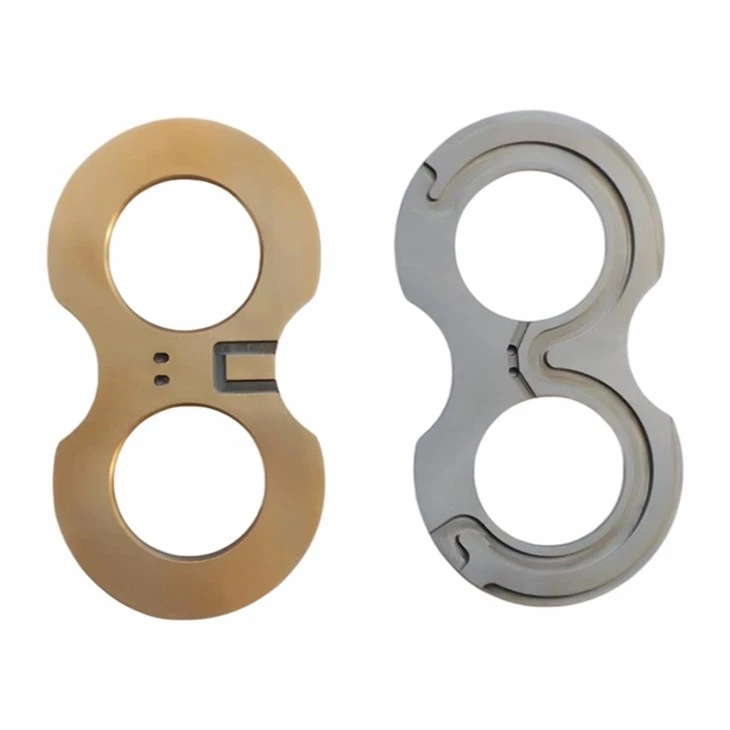
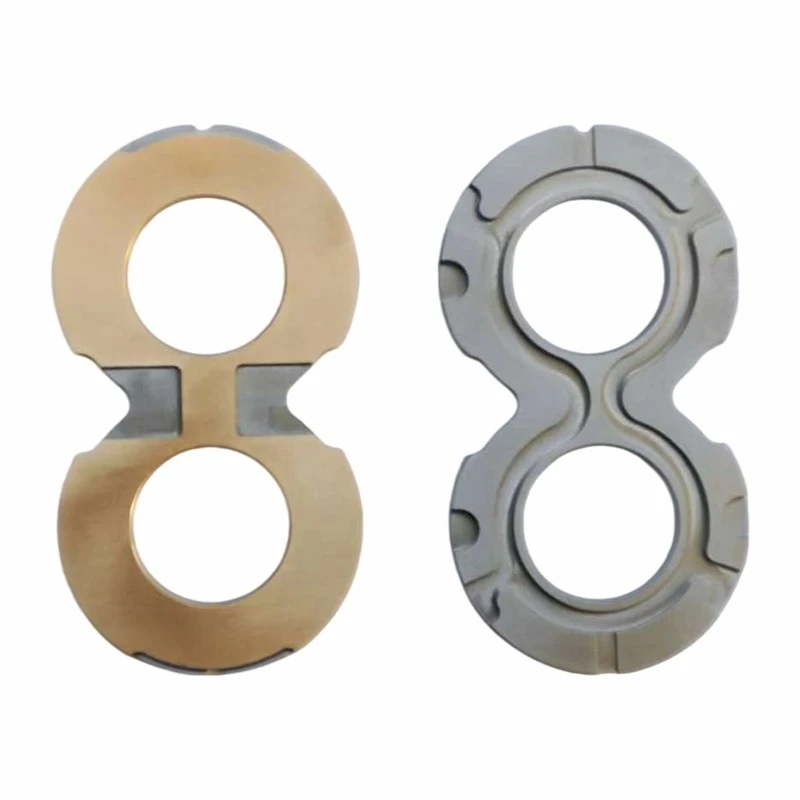
Let's talk a bit more about the applications where the coefficient of friction of a steel backed gear motor thrust plate really matters. These plates are commonly used in hydraulic systems, where they help to transfer the thrust force generated by the gear motor. In hydraulic pumps and motors, for example, the efficiency of the system can be greatly affected by the friction between the thrust plate and other parts. A lower coefficient of friction means less energy is wasted as heat, which translates to better fuel efficiency and longer component life.
We also supply Bimetal Hydraulic Pump Wear Resistant Plate, Bimetal Hydraulic Motor Side Plate, Steel Backed Bronze Gear Pump Thrust Plate, and Bimetal Hydraulic Pump Side Plate. All of these products are designed with the coefficient of friction in mind. We understand that different applications have different requirements, and we work hard to ensure that our products meet those needs.
For example, in high-pressure hydraulic systems, the thrust plates need to be able to withstand the heavy loads without excessive wear. That's why we use high-quality materials and advanced manufacturing processes to produce plates with a low coefficient of friction and high wear resistance. This helps to ensure that the hydraulic system can operate smoothly and reliably for a long time.
In the mining industry, where gear motors are used in heavy equipment, the coefficient of friction of the thrust plates is also crucial. The equipment needs to be able to handle tough conditions and high loads, and a low-friction thrust plate can make a big difference in terms of performance and reliability.
When it comes to measuring the coefficient of friction of our steel backed gear motor thrust plates, we use state-of-the-art testing equipment. This allows us to accurately determine the friction properties of the plates under different conditions, such as different loads and speeds. We then use this data to optimize our manufacturing processes and ensure that our products meet the highest quality standards.
We also conduct extensive research and development to continuously improve the performance of our products. We're always looking for new materials and manufacturing techniques that can further reduce the coefficient of friction and increase the wear resistance of our thrust plates.
If you're in the market for Steel Backed Gear Motor Thrust Plate or any of our other related products, we'd love to hear from you. Whether you're a manufacturer of hydraulic systems, a distributor, or an end-user, we can provide you with high-quality products that are tailored to your specific needs. Our team of experts is ready to work with you to find the best solutions for your applications.
Contact us if you have any questions or if you'd like to discuss your specific requirements. We're here to help you get the most out of your gear motors and hydraulic systems. Don't hesitate to reach out and start a conversation about how we can work together to improve the performance and reliability of your equipment.
References
- Tribology Handbook. CRC Press.
- Engineering Tribology. Elsevier.