

Cleaning bimetal valve plates properly is crucial to maintain their functionality and extend their lifespan. As a bimetal valve plates supplier, I've seen firsthand how proper cleaning can make a huge difference in the performance of these components. In this blog post, I'll share some tips on how to clean bimetal valve plates effectively.
Why Cleaning Bimetal Valve Plates Matters
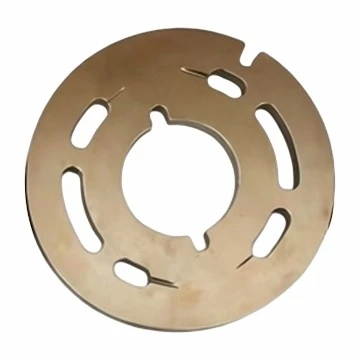
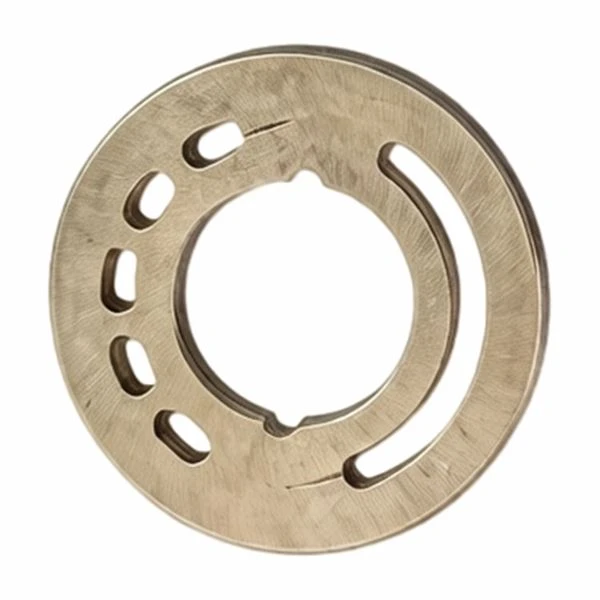
Bimetal valve plates are used in various applications, such as hydraulic systems, motors, and pumps. Over time, these plates can accumulate dirt, debris, and contaminants, which can affect their performance. For example, dirt and debris can cause wear and tear on the plates, leading to reduced efficiency and even failure. Contaminants can also cause corrosion, which can weaken the plates and make them more prone to damage.
By cleaning bimetal valve plates regularly, you can prevent these issues from occurring. Cleaning helps to remove dirt, debris, and contaminants, which can improve the performance of the plates and extend their lifespan. Additionally, regular cleaning can help you detect any potential issues early on, allowing you to take corrective action before they become major problems.
Pre - Cleaning Preparation
Before you start cleaning the bimetal valve plates, there are a few things you need to do. First, gather all the necessary tools and materials. You'll need a cleaning solution, a soft - bristle brush, a clean cloth, and some gloves. Make sure the cleaning solution is suitable for use on bimetal materials. You don't want to use a harsh chemical that could damage the plates.
Next, you need to disconnect the valve plates from the system. This is important for your safety and to ensure that you can clean the plates thoroughly. Follow the manufacturer's instructions carefully when disconnecting the plates. Once you've disconnected the plates, inspect them for any visible damage or signs of wear. If you notice any cracks, chips, or excessive wear, it may be time to replace the plates.
Step - by - Step Cleaning Process
1. Initial Rinsing
The first step in the cleaning process is to rinse the bimetal valve plates with water. This will help to remove any loose dirt and debris from the surface of the plates. Use a gentle stream of water to avoid damaging the plates. You can do this by placing the plates under a faucet or using a spray bottle.
2. Applying the Cleaning Solution
After rinsing the plates, apply the cleaning solution to the surface. You can use a soft - bristle brush to spread the solution evenly across the plates. Make sure to get into all the nooks and crannies, as dirt and debris can accumulate in these areas. Be careful not to scrub too hard, as this can scratch the surface of the plates.
3. Scrubbing
Use the soft - bristle brush to gently scrub the plates. Pay special attention to areas where there is stubborn dirt or debris. You can use a little more pressure in these areas, but still be careful not to damage the plates. If you encounter any particularly stubborn dirt, you may need to let the cleaning solution soak on the plate for a few minutes before scrubbing again.
4. Rinsing Again
Once you've finished scrubbing, rinse the plates thoroughly with water. Make sure to remove all traces of the cleaning solution. Any remaining cleaning solution could potentially cause issues later on, such as corrosion or damage to other components in the system.
5. Drying
After rinsing, dry the plates with a clean cloth. Make sure they are completely dry before reinstalling them. Moisture can lead to corrosion, so it's important to get rid of all the water. You can also let the plates air - dry for a while to ensure they are completely dry.
Specific Cleaning Tips for Different Types of Bimetal Valve Plates
There are several types of bimetal valve plates, each with its own unique cleaning requirements.
- Bimetal Abrasion Resistant Port Plate: These plates are designed to resist abrasion, but they still need to be cleaned properly. When cleaning, focus on removing any abrasive particles that may have accumulated on the surface. Use a mild cleaning solution and a soft brush to avoid scratching the abrasion - resistant coating.
- Copper Steel Piston Motor End Plate: Copper and steel have different properties, and you need to be careful not to damage either material. Avoid using cleaning solutions that are too acidic or alkaline, as they could cause corrosion. A neutral - pH cleaning solution is usually the best choice.
- Bimetal Hydraulic Motor Port Plate: In hydraulic systems, these plates can be exposed to hydraulic fluid contaminants. Use a cleaning solution that is compatible with hydraulic fluid and make sure to clean all the ports thoroughly to prevent blockages.
- Bimetallic Vane Motor Distributor Plate: These plates need to be kept clean to ensure smooth distribution. Pay attention to the small channels and passages in the plate, as dirt can easily accumulate in these areas. Use a thin brush or a cleaning tool that can reach into these tight spaces.
- Bimetallic Vane Pump Wear Plate: Wear plates are prone to wear and tear, and cleaning can help reduce further damage. Clean the plate gently to avoid causing any additional scratches that could lead to increased wear.
Post - Cleaning Inspections
After cleaning the bimetal valve plates, it's important to conduct a final inspection. Look for any remaining dirt or debris, as well as any signs of damage that may have been revealed during the cleaning process. Check for smooth surfaces and clear passageways. If you notice any issues, such as rough spots or clogs, you may need to repeat the cleaning process or take additional steps to address the problem.
Additional Maintenance Tips
In addition to regular cleaning, there are other maintenance steps you can take to keep your bimetal valve plates in good condition. For example, make sure to use the right type of lubricant in the system. Lubrication can help reduce friction and wear on the plates. Also, follow the manufacturer's recommended maintenance schedule for the entire system, as this can help prevent issues that could affect the valve plates.
Conclusion
Cleaning bimetal valve plates properly is not a difficult task, but it does require some attention to detail. By following the steps outlined in this blog post, you can ensure that your bimetal valve plates perform at their best and last for a long time. If you're in the market for high - quality bimetal valve plates, we're here to help. We offer a wide range of bimetal valve plates, including Bimetal Abrasion Resistant Port Plate, Copper Steel Piston Motor End Plate, Bimetal Hydraulic Motor Port Plate, Bimetallic Vane Motor Distributor Plate, and Bimetallic Vane Pump Wear Plate. Contact us to discuss your specific needs and start a procurement negotiation.
References
- General knowledge on bimetal materials and valve plate maintenance
- Manufacturer guidelines for bimetal valve plates