

In the realm of hydraulic systems, bimetallic vane pumps play a crucial role in various industrial applications. At the heart of these pumps lies the wear plate, a component that significantly influences the pump's performance and longevity. As a dedicated supplier of Bimetallic Vane Pump Wear Plates, I've witnessed firsthand the far - reaching consequences of manufacturing defects on these essential parts.
Understanding Bimetallic Vane Pump Wear Plates
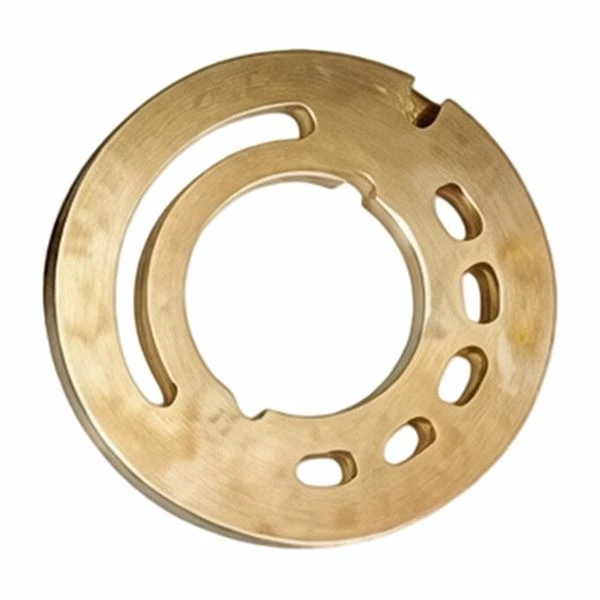
Bimetallic vane pump wear plates are designed to withstand high pressures and constant friction within the pump. They are typically made from two different metals, each selected for its unique properties. One metal provides strength and stability, while the other offers excellent wear resistance. This combination allows the wear plate to endure the harsh operating conditions of the vane pump, ensuring smooth and efficient operation.
The wear plate is in direct contact with the vanes and other moving parts of the pump. It serves as a guide for the vanes, maintaining proper alignment and reducing wear on both the vanes and the pump housing. A well - manufactured wear plate is essential for maintaining the pump's volumetric efficiency, which directly impacts its overall performance.

Types of Manufacturing Defects
There are several types of manufacturing defects that can occur during the production of bimetallic vane pump wear plates. These defects can range from minor imperfections to serious flaws that render the wear plate unusable.
Material Deficiencies
One of the most common manufacturing defects is material deficiencies. This can include issues such as improper alloy selection, inconsistent material composition, or the presence of impurities in the metals used. For example, if the wear - resistant layer of the bimetallic plate does not have the correct hardness or ductility, it may wear out prematurely or crack under stress.
Machining Errors
Machining errors are also a significant concern. These can include inaccurate dimensions, rough surfaces, or improper hole drilling. If the wear plate does not have the correct dimensions, it may not fit properly within the pump, leading to leaks and reduced performance. Rough surfaces can increase friction between the wear plate and the vanes, causing unnecessary wear and tear on both components.
Bonding Problems
In bimetallic wear plates, the quality of the bond between the two metals is crucial. Bonding problems can occur due to improper surface preparation, incorrect bonding techniques, or inadequate heat treatment. If the bond between the two metals is weak, the layers may separate during operation, leading to catastrophic failure of the wear plate.
Impact on Pump Performance
The presence of manufacturing defects on a bimetallic vane pump wear plate can have a profound impact on the performance of the pump.
Reduced Efficiency
When a wear plate has a defect, such as a rough surface or incorrect dimensions, it can cause increased friction within the pump. This added friction requires more energy to operate the pump, resulting in reduced efficiency. As a result, the pump may consume more power to achieve the same level of output, leading to higher operating costs for the user.
Leakage
A wear plate that does not fit properly due to manufacturing defects can cause leaks within the pump. Leakage can result in a loss of pressure and fluid, reducing the pump's ability to deliver the required flow rate. In some cases, leaks can also lead to contamination of the hydraulic fluid, which can further damage the pump and other components in the system.
Premature Wear
Defects in the wear plate can accelerate the wear of other components in the pump, such as the vanes and the pump housing. For example, a rough wear plate surface can cause excessive wear on the vanes, reducing their lifespan. Premature wear of these components not only increases maintenance costs but also leads to more frequent pump failures and downtime.
Impact on Pump Lifespan
The lifespan of a bimetallic vane pump is closely tied to the quality of its wear plate. Manufacturing defects can significantly reduce the lifespan of the pump.
Early Failure
In severe cases, manufacturing defects can cause the wear plate to fail prematurely. For example, if the bond between the two metals in a bimetallic wear plate fails, the wear plate can break apart, leading to immediate pump failure. Early failure of the pump can be costly for the user, as it requires unplanned maintenance and replacement of parts.
Cumulative Damage
Even minor manufacturing defects can cause cumulative damage over time. Continuous operation with a defective wear plate can lead to a gradual deterioration of the pump's performance and components. This cumulative damage can eventually lead to a complete breakdown of the pump, even if the defect was initially considered insignificant.
Quality Control in Manufacturing
As a Bimetallic Vane Pump Wear Plate supplier, we understand the critical importance of quality control in manufacturing. To ensure the highest quality products, we implement a comprehensive quality control system that includes the following steps:
Material Inspection
Before the manufacturing process begins, we carefully inspect all raw materials to ensure they meet our strict quality standards. This includes testing the material for its composition, hardness, and other mechanical properties.
In - process Monitoring
During the manufacturing process, we monitor every step to detect any potential defects early on. This includes using advanced machining techniques and equipment to ensure accurate dimensions and smooth surfaces. We also perform regular inspections of the bonding process to ensure a strong and reliable bond between the two metals.
Final Testing
Once the wear plates are manufactured, we subject them to a series of final tests to ensure they meet our performance requirements. This includes testing for wear resistance, pressure resistance, and dimensional accuracy. Only wear plates that pass all of our tests are approved for shipment.
Importance of Choosing a Reliable Supplier
Given the significant impact of manufacturing defects on bimetallic vane pump wear plates, it is crucial for users to choose a reliable supplier. A reliable supplier will have a proven track record of producing high - quality wear plates, strict quality control measures in place, and the ability to provide technical support and after - sales service.
When selecting a supplier, it is also important to consider their experience in the industry, their expertise in bimetallic materials, and their commitment to innovation. A supplier who is constantly researching and developing new materials and manufacturing techniques is more likely to provide wear plates that offer superior performance and durability.
Quality Products We Offer
As a leading supplier, we offer a wide range of high - quality products related to hydraulic pump components. Our product portfolio includes:
- Bimetallic Vane Motor Distributor Plate: Designed to distribute fluid evenly within the vane motor, ensuring smooth and efficient operation.
- Bimetallic Vane Motor Wear Plate: Engineered to withstand high pressures and friction, providing long - lasting performance.
- Bimetal Abrasion Resistant Port Plate: Ideal for applications where abrasion resistance is crucial, ensuring reliable operation in harsh environments.
- Copper Steel Piston Pump End Plate: Combining the strength of steel with the excellent conductivity of copper, providing optimal performance in piston pumps.
- Valve Plate Hydraulic Pump: Essential for controlling the flow and pressure within the hydraulic pump, ensuring precise operation.
Contact Us for Procurement
If you are in the market for high - quality bimetallic vane pump wear plates or any of our other hydraulic pump components, we invite you to contact us for procurement. Our team of experts is ready to assist you in selecting the right products for your specific needs and provide you with competitive pricing and excellent customer service.
References
- "Hydraulic Pump Handbook", Hydraulic Press Inc., 2018
- "Materials Science for Hydraulic Components", ASM International, 2020
- "Manufacturing Technology for Precision Components", Wiley, 2019