

When it comes to industrial machinery, the selection of the right wear-resistant side plate is crucial, especially when considering the load it will bear. As a supplier of wear-resistant side plates, I've encountered numerous clients who are unsure about how to make the best choice based on the load requirements of their equipment. In this blog, I'll share some key factors and considerations to help you select the most suitable wear-resistant side plate according to the load.
Understanding the Load
Before delving into the selection process, it's essential to have a clear understanding of the load that the wear-resistant side plate will be subjected to. Load can be classified into different types, including static load, dynamic load, and impact load.
- Static Load: This refers to the load that remains constant over time. For example, in a stationary hydraulic system, the side plate may experience a static load due to the pressure of the fluid. When dealing with static loads, the wear-resistant side plate needs to have sufficient strength and hardness to withstand the pressure without deformation.
- Dynamic Load: Dynamic loads are those that change over time, such as the load experienced by a side plate in a rotating machinery. The side plate must be able to handle the continuous changes in load and maintain its performance under such conditions. Fatigue resistance is a critical factor when selecting a side plate for dynamic load applications.
- Impact Load: Impact loads occur suddenly and can cause significant stress on the side plate. In applications like heavy machinery or equipment that is subject to sudden shocks, the wear-resistant side plate needs to have high toughness and impact resistance to prevent cracking or damage.
Material Selection
The material of the wear-resistant side plate plays a vital role in its ability to withstand different loads. Here are some common materials used in the manufacturing of wear-resistant side plates and their suitability for various load conditions:
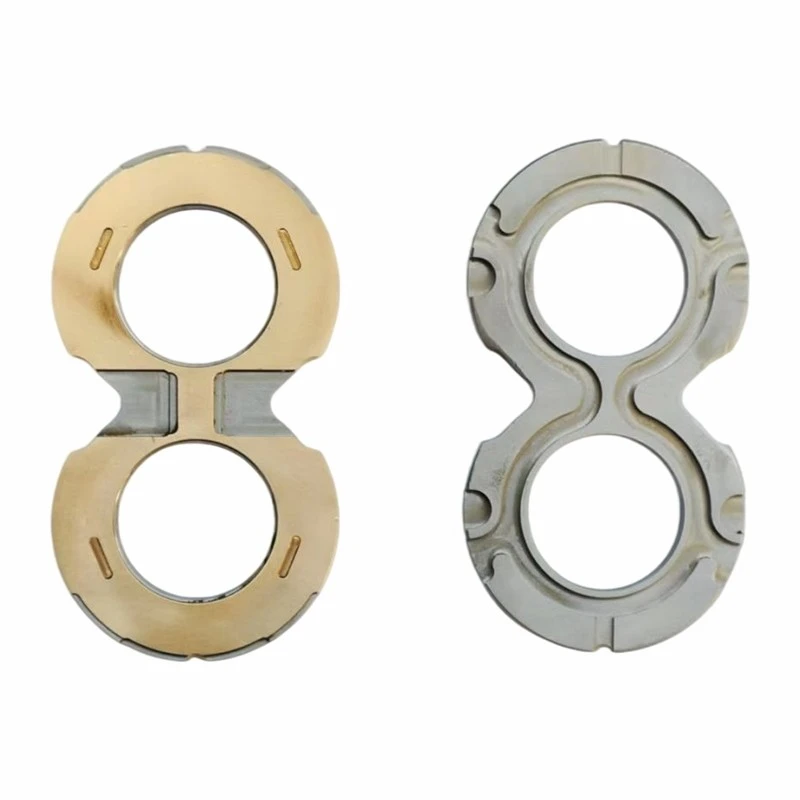
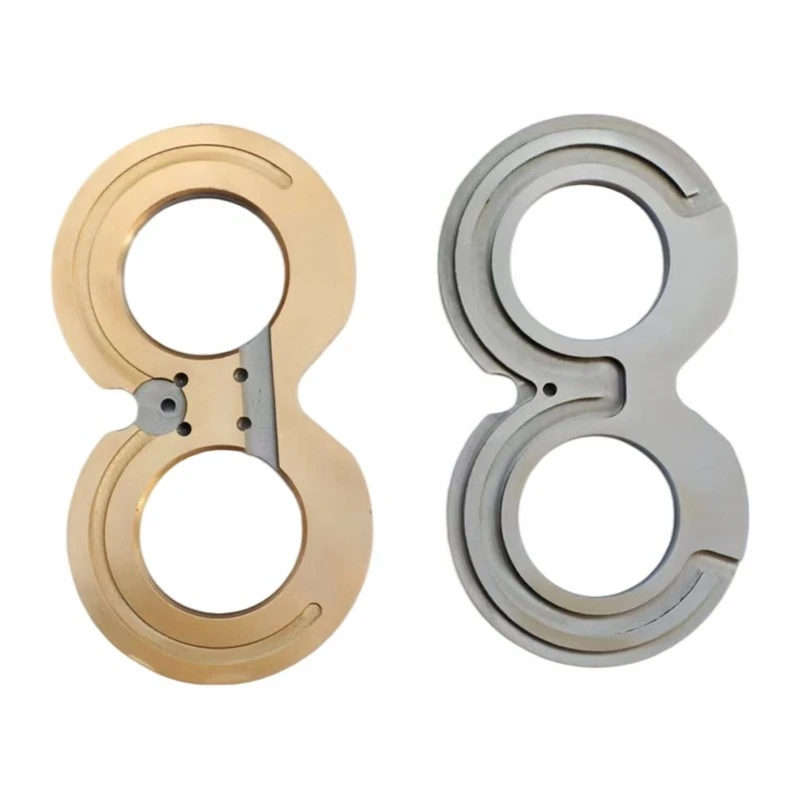
- Bimetal Materials: Bimetal side plates, such as the High Pressure Bimetal Pump Valve Plate and Bimetal Hydraulic Pump Side Plate, are designed to combine the advantages of two different metals. They typically consist of a base metal with high strength and a surface layer of wear-resistant material. Bimetal side plates are suitable for both static and dynamic load applications, as they offer good wear resistance and mechanical properties.
- Steel Backed Bronze: Steel backed bronze side plates, like the Steel Backed Bronze Gear Pump Thrust Plate, are known for their excellent self-lubricating properties and high load-carrying capacity. They are often used in applications where there is a need for smooth operation and low friction, such as in gear pumps. Steel backed bronze side plates can handle moderate to high static and dynamic loads.
- Other Wear-Resistant Alloys: There are also other wear-resistant alloys available in the market that can be used for side plate applications. These alloys are specifically designed to provide high hardness, wear resistance, and corrosion resistance. The choice of alloy depends on the specific load requirements and the operating environment of the equipment.
Design Considerations
In addition to material selection, the design of the wear-resistant side plate also affects its performance under different loads. Here are some design factors to consider:
- Thickness: The thickness of the side plate should be appropriate for the load it will bear. A thicker side plate can generally withstand higher loads, but it may also add unnecessary weight to the equipment. Therefore, it's important to strike a balance between thickness and load capacity.
- Surface Finish: A smooth surface finish can reduce friction and wear, especially in applications where the side plate is in contact with other moving parts. Additionally, a good surface finish can also improve the sealing performance of the side plate, reducing the risk of leakage.
- Shape and Geometry: The shape and geometry of the side plate should be designed to distribute the load evenly. This can help prevent stress concentrations and ensure the long-term reliability of the side plate. For example, in some applications, a curved or contoured side plate may be more suitable for distributing the load compared to a flat plate.
Application-Specific Considerations
Different applications have different load requirements, and it's important to consider these factors when selecting a wear-resistant side plate. Here are some examples of common applications and the corresponding load considerations:
- Hydraulic Pumps and Motors: Hydraulic pumps and motors are subjected to both static and dynamic loads. The side plates in these applications need to have good wear resistance and sealing performance to ensure efficient operation. The Bimetal Hydraulic Motor Side Plate is a popular choice for hydraulic motor applications due to its high performance and reliability.
- Gear Pumps: Gear pumps are used in a wide range of industries, and the side plates in these pumps need to be able to handle the high pressure and friction generated by the gears. Steel backed bronze side plates are often used in gear pumps because of their excellent load-carrying capacity and self-lubricating properties.
- Heavy Machinery: Heavy machinery, such as construction equipment and mining machinery, is subject to high impact loads. The wear-resistant side plates in these applications need to have high toughness and impact resistance to withstand the harsh operating conditions.
Testing and Quality Assurance
To ensure the performance and reliability of the wear-resistant side plate under different loads, it's important to conduct thorough testing and quality assurance procedures. This may include material testing, hardness testing, wear testing, and fatigue testing. By testing the side plate under simulated load conditions, we can identify any potential issues and make necessary improvements to the design and manufacturing process.
Conclusion
Selecting the right wear-resistant side plate according to the load is a complex process that requires a thorough understanding of the load requirements, material properties, design considerations, and application-specific factors. As a supplier of Wear Resistant Side Plate, we are committed to providing our customers with high-quality products that meet their specific needs. If you have any questions or need assistance in selecting the right wear-resistant side plate for your application, please feel free to contact us for a consultation. We look forward to working with you to find the best solution for your load requirements.
References
- [1] Smith, J. (2018). Wear Resistance and Tribology of Engineering Materials. Elsevier.
- [2] Jones, A. (2019). Design and Selection of Machine Elements. McGraw-Hill.
- [3] Brown, R. (2020). Hydraulic Systems and Components. Wiley.