

Hey there, folks! As a supplier of Bimetal Abrasion Resistant Port Plates, I'm super stoked to chat with you about the different packaging methods for these awesome products. We all know that proper packaging is crucial, especially when it comes to ensuring these plates reach our customers in top - notch condition. So, let's dive right in!
Why Good Packaging Matters
First off, I wanna talk about why packaging is such a big deal for our Bimetal Abrasion Resistant Port Plates. These plates are precision - made components that are used in various heavy - duty applications, like hydraulic systems in construction equipment and industrial machinery. They need to be protected from scratches, dents, and corrosion during transit, or they won't perform as well as they're supposed to.
A damaged port plate can lead to all sorts of issues in the equipment it's used in. It might cause leaks, reduce efficiency, or even lead to complete system failure. So, the right packaging isn't just about keeping the product safe on the way to you; it's about making sure the equipment you're using it in runs smoothly for a long time.
Common Packaging Methods
1. Protective Films
One of the most basic yet effective ways to package our Bimetal Abrasion Resistant Port Plates is by using protective films. These films are made from materials like polyethylene or polyester and are designed to stick to the surface of the plates. They create a barrier that protects the plates from dust, scratches, and light impacts.
We usually start by cleaning the surface of the port plates thoroughly. Any dirt or debris can cause the film to not adhere properly. After cleaning, we carefully apply the film, making sure there are no air bubbles trapped between the film and the plate. This method is great because it's relatively inexpensive and can be easily customized to fit the size and shape of the plates.
2. Foam Inserts
Foam inserts are another popular choice for packaging our port plates. Foam provides excellent cushioning and protection against shocks and vibrations during shipping. We can cut the foam into custom shapes to fit the plates perfectly, so they're held securely in place.
There are different types of foam that we use. For example, polyethylene foam is a common choice because it's lightweight, durable, and resistant to moisture. It also has good shock - absorbing properties. Another option is polyurethane foam, which is a bit more rigid and can provide even better protection for heavier plates.
We place the port plates in the foam inserts and then put them in a sturdy box. The foam keeps the plates from moving around and getting damaged during transit. It's a simple but very effective way to ensure the plates arrive at your doorstep in the same condition as they left our facility.
3. Wooden Crates
For larger or more valuable Bimetal Abrasion Resistant Port Plates, wooden crates are often the go - to packaging solution. Wooden crates are strong and can withstand a lot of rough handling during shipping. They also provide great protection against external factors like moisture and pests.
When we use wooden crates, we first line the inside with foam or other protective materials to cushion the plates. The plates are then carefully placed inside the crate and secured with straps or brackets to prevent movement. We make sure the crate is well - ventilated to avoid condensation that could lead to corrosion.
Wooden crates can be customized to fit the specific size and shape of the plates, and they can also be designed to stack easily, which is great for shipping and storage.
Specialized Packaging for Different Situations
Overseas Shipping
When we're shipping our Bimetal Abrasion Resistant Port Plates overseas, we have to take extra precautions. The journey is longer, and the plates are exposed to more risks, like changes in temperature and humidity, as well as rough handling at ports.
In addition to using the standard packaging methods like protective films, foam inserts, and wooden crates, we also use moisture - proof and anti - corrosion packaging. We might place desiccant packets inside the packaging to absorb any moisture and prevent rusting. We also use special coatings on the plates before packaging to provide an extra layer of protection against corrosion.
Bulk Orders
For bulk orders, we have to be even more strategic with our packaging. We try to maximize the use of space while still ensuring the plates are well - protected. We might use large pallets to stack multiple layers of packaged plates, and we use shrink - wrap to hold everything together securely.
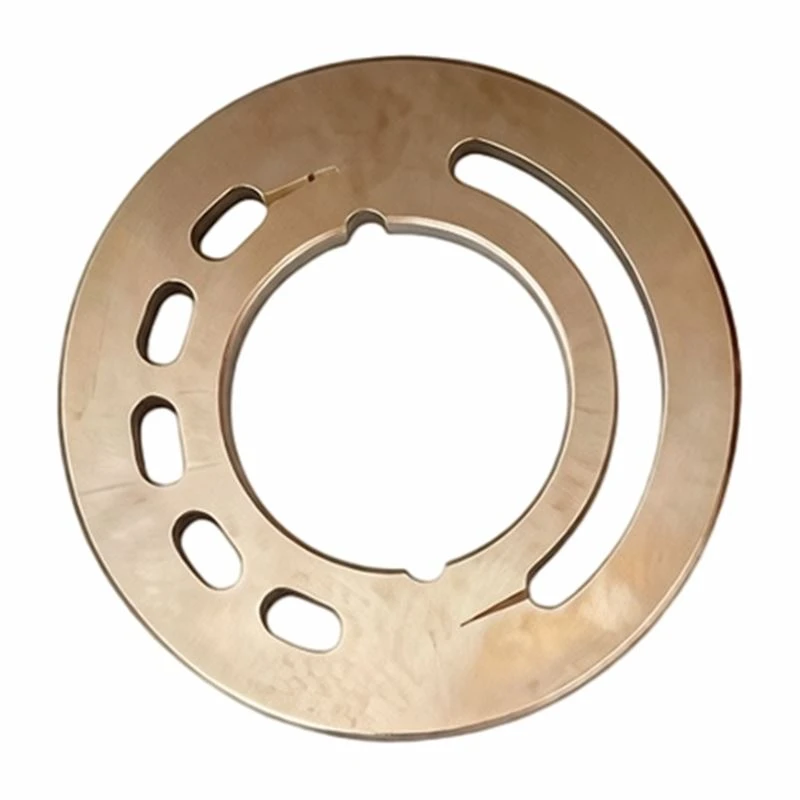
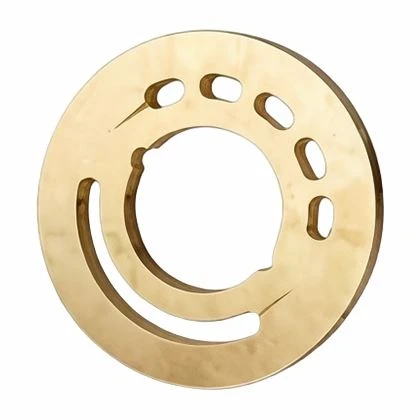
We also make sure to label the packaging clearly with information about the quantity, size, and type of plates inside. This makes it easier for our customers to unpack and identify the plates they need.
Benefits of Our Packaging
Our packaging methods are designed with your needs in mind. By using high - quality materials and precise packaging techniques, we ensure that our Bimetal Abrasion Resistant Port Plates are protected from the moment they leave our factory until they reach your hands.
This means you can trust that the plates will be in perfect condition when you receive them. You won't have to worry about damaged plates causing problems in your equipment, which can save you time and money on repairs and replacements.
Explore Related Products
If you're interested in other related products, check out these links:
- Steel Backed Piston Motor Valve Plate
- Bimetallic Vane Motor Distributor Plate
- Bimetal Abrasion Resistant Port Plate
- Bimetallic Piston Pump Distributor Plate
- Copper Steel Piston Motor End Plate
Let's Connect
If you're in the market for Bimetal Abrasion Resistant Port Plates or have any questions about our products or packaging methods, don't hesitate to reach out. We're here to help you find the perfect solution for your needs. Whether you're a manufacturer looking for reliable components or a distributor looking to stock high - quality products, we've got you covered. Let's start a conversation and see how we can work together!
References
- Smith, J. (2020). Best Practices in Packaging for Industrial Components. Journal of Industrial Packaging, 15(2), 45 - 52.
- Brown, A. (2019). Protecting Precision Parts During Transit. Manufacturing Today Magazine, 22(3), 67 - 72.