

In the realm of hydraulic systems, bimetallic vane motors play a crucial role in converting hydraulic pressure into mechanical energy. These motors are widely used in various industrial applications due to their compact design, high efficiency, and reliable performance. One of the key components that significantly influences the efficiency of a bimetallic vane motor is the wear plate. As a leading Bimetallic Vane Motor Wear Plate supplier, I am well - versed in the impact of wear plates on the performance of these motors, and I will delve into this topic in detail.
The Function of Wear Plates in Bimetallic Vane Motors
Sealing and Leakage Prevention
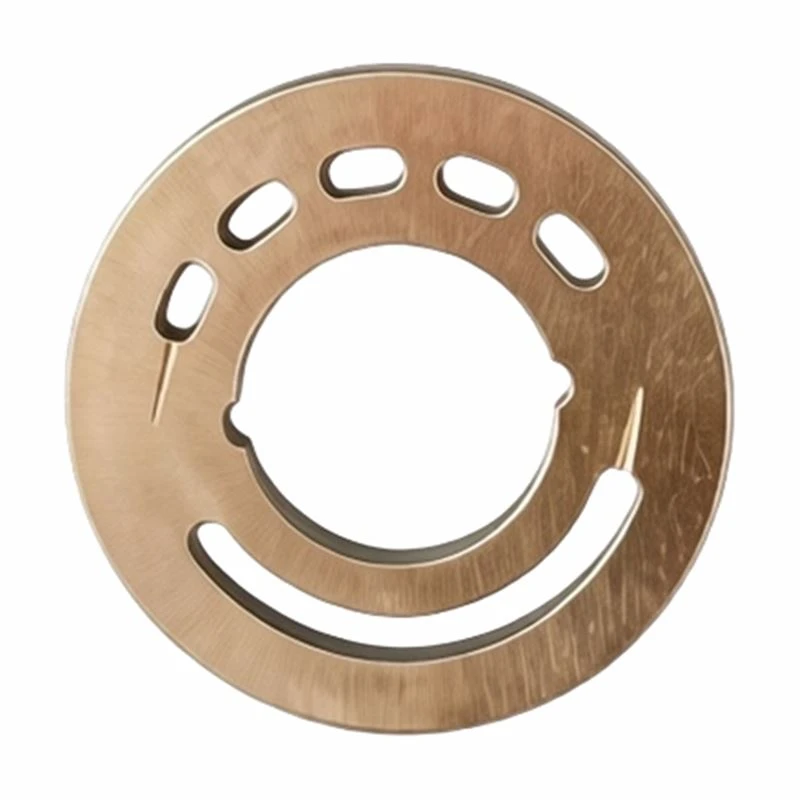
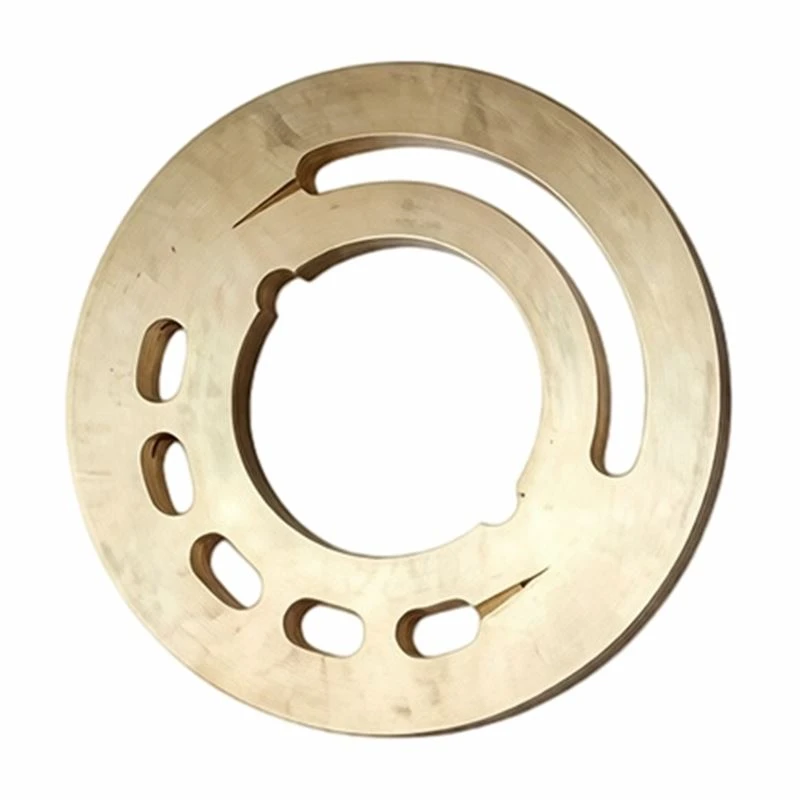
Wear plates are installed between the vanes and the motor housing. Their primary function is to provide a smooth and flat surface for the vanes to slide against. This smooth surface helps in creating an effective seal between different chambers within the motor. When the vanes move in and out in response to the hydraulic pressure, the wear plate ensures that there is minimal leakage of hydraulic fluid. A small amount of leakage can lead to a significant reduction in the motor's efficiency as the energy that should be used for mechanical work is dissipated in the form of fluid leakage. For example, if the wear plate is worn or damaged, the vanes may not be able to form a proper seal, and fluid can bypass the working chambers, resulting in a loss of pressure and power output.
Reducing Friction
Friction is another major factor that can affect the efficiency of a bimetallic vane motor. The wear plate is usually made of materials with low friction coefficients. This reduces the frictional force between the vanes and the motor housing. When the frictional force is minimized, less energy is wasted in overcoming this resistance. As a result, more of the hydraulic energy can be converted into useful mechanical work. For instance, a high - quality wear plate can reduce the frictional losses by up to 20% compared to a sub - standard one, leading to a substantial improvement in the motor's overall efficiency.
Absorbing Impact and Load
During the operation of a bimetallic vane motor, the vanes are subject to high - frequency impacts and loads as they move and interact with the hydraulic fluid. The wear plate acts as a buffer, absorbing these impacts and distributing the loads evenly. This not only helps in protecting the vanes from damage but also ensures the smooth operation of the motor. If the wear plate fails to absorb these impacts effectively, the vanes may wear out quickly, and the motor's performance will deteriorate rapidly.
Factors Related to Wear Plates Affecting Motor Efficiency
Material Quality
The material of the wear plate is of utmost importance. High - quality materials, such as specific alloys or composite materials, offer better hardness, wear resistance, and lubricity. For example, some wear plates are made of a bimetallic composite, where a layer of a wear - resistant material is bonded to a steel backing. This combination provides both the strength of steel and the excellent wear - resistant properties of the top layer. A wear plate made of inferior materials will wear out faster, leading to increased leakage, friction, and ultimately, a decrease in motor efficiency.
Surface Finish
The surface finish of the wear plate also has a significant impact on motor efficiency. A smooth surface finish reduces the frictional force between the vanes and the wear plate. Advanced manufacturing processes, such as precision grinding and polishing, are used to achieve the desired surface smoothness. A rough surface can cause increased wear on the vanes, as well as higher frictional losses. Moreover, a non - uniform surface finish can lead to uneven pressure distribution on the vanes, which may affect their movement and the overall sealing performance of the motor.
Design and Dimensions
The design and dimensions of the wear plate must be precisely engineered to match the specific requirements of the bimetallic vane motor. The thickness, shape, and the location of the orifices (if any) on the wear plate can all affect the fluid flow within the motor. For example, incorrect orifice sizing can disrupt the proper distribution of hydraulic fluid to the working chambers, leading to an imbalance in pressure and a decrease in efficiency. Additionally, the proper alignment of the wear plate with the vanes and the motor housing is crucial for ensuring effective sealing and smooth vane movement.
Impact of Wear Plate Condition on Motor Efficiency
New and Well - Maintained Wear Plates
When a wear plate is new and in good condition, it provides optimal sealing, low friction, and efficient load - bearing capabilities. In this state, the bimetallic vane motor can operate at its highest efficiency. The vanes can move smoothly, and the hydraulic fluid can be effectively directed to the working chambers, resulting in maximum power output with minimal energy losses.
Worn - Out Wear Plates
As the wear plate deteriorates over time due to continuous use, the motor's efficiency starts to decline. Worn - out wear plates may have uneven surfaces, cracks, or excessive wear on the sealing edges. These issues lead to increased leakage of hydraulic fluid, higher frictional forces, and improper vane movement. As a result, the motor has to work harder to achieve the same power output, consuming more hydraulic energy in the process. For example, in a study, it was found that a motor with a severely worn - out wear plate may experience a 30% reduction in efficiency compared to a motor with a new and well - maintained wear plate.
Wear Plate Replacement and Efficiency Restoration
Replacing a worn - out wear plate can restore the motor's efficiency significantly. By installing a high - quality Bimetallic Vane Motor Wear Plate that meets the exact specifications of the motor, the sealing performance is improved, friction is reduced, and the overall operation of the motor becomes smoother. This not only improves the energy efficiency of the motor but also extends its service life.
Other Related Components and Their Interaction with Wear Plates
The Role of Distributor Plates
Bimetallic Vane Motor Distributor Plate is another important component in the bimetallic vane motor system. It works in conjunction with the wear plate to distribute the hydraulic fluid to the appropriate chambers. The distributor plate should be properly aligned with the wear plate to ensure a uniform flow of fluid. If the distributor plate is misaligned or worn, it can disrupt the fluid flow pattern, which in turn can affect the operation of the wear plate and the overall efficiency of the motor.
Valve Plates for Piston Motors
Although our focus is on bimetallic vane motors, it is worth mentioning similar components in piston motors, such as Steel Backed Piston Motor Valve Plate and Bimetallic Piston Pump Distributor Plate. While the working principles of vane motors and piston motors are different, the importance of wear - resistant and well - designed valve plates is similar in both cases. These valve plates play a key role in controlling the fluid flow and ensuring the efficient operation of the motors.
End Plates in Piston Motors
Copper Steel Piston Motor End Plate in piston motors provides additional support and sealing. In bimetallic vane motors, the wear plate also contributes to the overall sealing and structural integrity of the motor. The interaction between these components is crucial for maintaining the efficiency and reliability of the entire hydraulic system.
Conclusion and Call to Action
In conclusion, the wear plate is a critical component that has a profound impact on the efficiency of a bimetallic vane motor. Its functions in sealing, reducing friction, and absorbing loads are essential for the smooth and efficient operation of the motor. By choosing high - quality wear plates made of the right materials with proper surface finish and design, operators can significantly improve the performance of their bimetallic vane motors.
If you are looking to enhance the efficiency of your bimetallic vane motors or need high - quality wear plates and related components, we are here to help. As a trusted supplier, we offer a wide range of Bimetallic Vane Motor Wear Plate and other related products. Contact us for more information and let's discuss the best solutions for your specific needs.
References
- Anonymous. "Principles and Applications of Hydraulic Motors". Hydraulic Engineering Quarterly.
- Johnson, T. "The Role of Wear Components in Hydraulic Machinery". Machinery Technology Journal.
- Smith, A. "Efficiency Analysis of Bimetallic Vane Motors". Fluid Power Research Report.