

Can sintered metal bushings be used in vacuum environments? That's a question I get asked a lot as a supplier of Sintered Metal Bushing. It's a crucial inquiry, especially when you're dealing with industries that rely on vacuum systems, like aerospace, semiconductor manufacturing, and scientific research. So, let's dive right in and break this down.
First off, what are sintered metal bushings? Well, they're made through a process called sintering, where metal powders are compacted into a specific shape and then heated below their melting point. This fuses the powder particles together, creating a solid, porous material. The porosity is a key feature here, as it allows the bushing to hold lubricant, which helps reduce friction and wear in normal operating conditions.
Now, when we talk about vacuum environments, things get a bit more complicated. A vacuum is a space entirely devoid of air or any other gas, and it presents a unique set of challenges. One of the biggest issues is outgassing. Outgassing occurs when materials release gases or vapors in a vacuum. This can contaminate the vacuum environment, affect the performance of sensitive equipment, and even cause damage over time.
So, can sintered metal bushings handle this? It depends. Some sintered metal bushings are more prone to outgassing than others. The type of metal used, the manufacturing process, and the lubricant (if any) all play a role. For instance, if a sintered metal bushing is made with a metal that has a high vapor pressure at low temperatures, it's more likely to outgas in a vacuum. Similarly, some lubricants may evaporate or break down in a vacuum, leading to outgassing and potential contamination.
However, not all hope is lost. There are ways to make sintered metal bushings suitable for vacuum environments. One approach is to use low-outgassing materials. For example, certain grades of stainless steel and copper alloys have relatively low vapor pressures and are less likely to outgas. By carefully selecting the right materials, we can minimize the risk of contamination.
Another important factor is the manufacturing process. A well-controlled sintering process can help reduce porosity and eliminate any trapped gases or contaminants in the bushing. Additionally, post-sintering treatments, such as heat treatment or surface finishing, can further improve the bushing's performance in a vacuum.
When it comes to lubrication, traditional liquid lubricants are often not suitable for vacuum environments due to their high vapor pressures. Instead, solid lubricants or self-lubricating materials can be used. These materials can provide the necessary lubrication without the risk of outgassing. For example, graphite and molybdenum disulfide are commonly used solid lubricants in vacuum applications.
In my experience as a supplier, I've seen sintered metal bushings perform well in a variety of vacuum environments. For example, in semiconductor manufacturing, where ultra-clean vacuum conditions are essential, sintered metal bushings made with low-outgassing materials and solid lubricants have proven to be reliable components. They help ensure smooth operation of equipment, such as wafer handling systems and vacuum pumps, without introducing contaminants.
In the aerospace industry, sintered metal bushings are also used in various vacuum applications, such as satellite mechanisms and space telescopes. These bushings need to withstand extreme temperatures, high loads, and long periods of operation in a vacuum. By using advanced materials and manufacturing techniques, we can produce sintered metal bushings that meet these demanding requirements.
Let's take a look at some specific products that we offer as a Sintered Metal Bushing supplier. Our Bushing Ng Motor is designed for high-performance motors and can be customized for vacuum applications. It's made with high-quality materials and features a low-outgassing design to ensure reliable operation in a vacuum.
Our Bimetallic Vane Pump Sleeve Bearing is another great option for vacuum systems. The bimetallic construction provides excellent wear resistance and load-carrying capacity, while the low-outgassing materials ensure a clean vacuum environment.
If you're looking for a bushing for a piston motor, our Copper Steel Piston Motor Sleeve Bearing is a top choice. It's designed to handle high pressures and temperatures, making it suitable for vacuum applications in hydraulic systems.
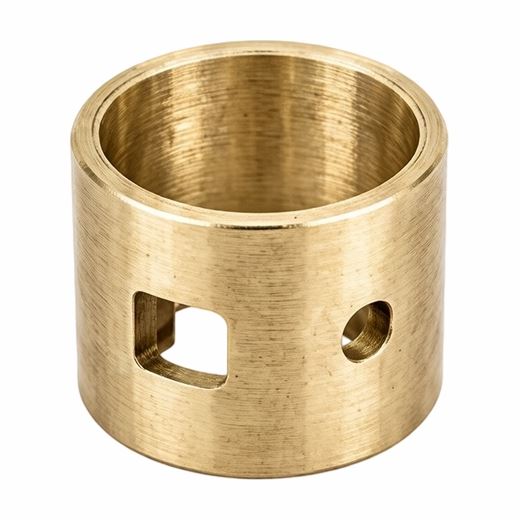
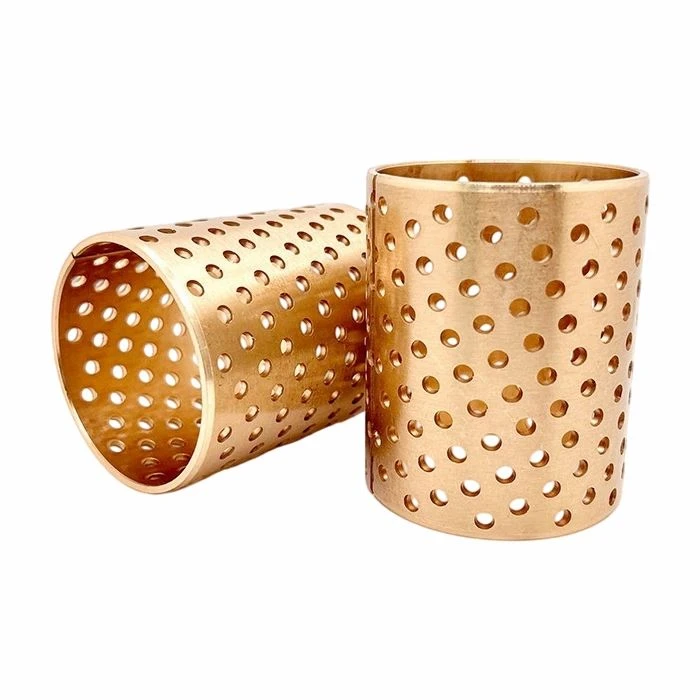
And for gear motor applications, our Steel Bronze Gear Motor Shaft Sleeve offers excellent lubrication and wear resistance. It can be used in vacuum environments with low-outgassing requirements.
In conclusion, sintered metal bushings can be used in vacuum environments, but it's important to choose the right materials and manufacturing processes. By working with a reliable supplier, like us, you can get high-quality sintered metal bushings that are specifically designed for your vacuum application. If you're interested in learning more about our products or discussing your specific requirements, don't hesitate to reach out. We're here to help you find the best solution for your needs.
References
- ASM Handbook, Volume 7: Powder Metal Technologies and Applications
- Vacuum Technology Handbook by James M. Lafferty