

Corrosion is a natural process that can have profound effects on various metal components, including the copper steel piston motor end plate. As a trusted Copper Steel Piston Motor End Plate supplier, I understand the significance of this issue and the importance of addressing it to ensure the optimal performance and longevity of these critical parts. In this blog post, I'll delve into how corrosion affects a copper steel piston motor end plate, exploring its mechanisms, consequences, and potential solutions.
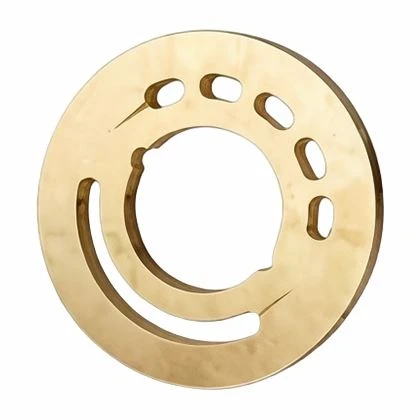
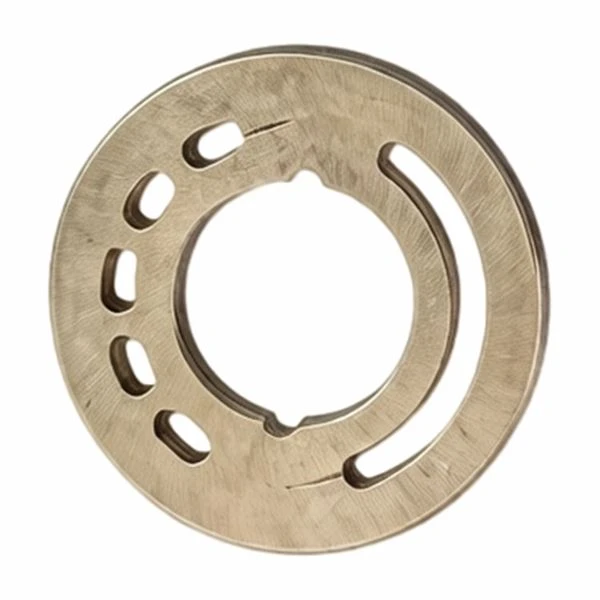
Mechanisms of Corrosion in Copper Steel Piston Motor End Plates
Corrosion in copper steel piston motor end plates typically involves electrochemical reactions. These reactions occur when the metal surface is exposed to an electrolyte, such as water, moisture, or chemical substances present in the operating environment. The presence of dissimilar metals (copper and steel) in the end plate can further accelerate the corrosion process through galvanic corrosion.
Galvanic corrosion happens when two different metals are in electrical contact and immersed in an electrolyte. In the case of copper steel piston motor end plates, steel (which is more electrochemically active than copper) acts as the anode, while copper acts as the cathode. The anode corrodes as electrons flow from the steel to the copper through the electrolyte. This results in the oxidation of the steel, leading to the formation of rust and degradation of the end plate's structure.
Another form of corrosion that can affect copper steel piston motor end plates is pitting corrosion. Pitting corrosion occurs when a small area on the metal surface is exposed to a more aggressive environment than the surrounding area. This can be due to local variations in the metal's composition, surface defects, or the presence of contaminants. The small pits that form can quickly penetrate the metal surface, causing localized damage and potentially leading to the failure of the end plate.
Consequences of Corrosion on Copper Steel Piston Motor End Plates
The effects of corrosion on copper steel piston motor end plates can be far - reaching and detrimental to the performance and reliability of the motor. Here are some of the key consequences:
1. Reduced Mechanical Strength
Corrosion weakens the structure of the end plate by removing metal from its surface. As the corrosion progresses, the remaining metal becomes thinner and less able to withstand the mechanical stresses imparted during the motor's operation. This can lead to cracking, deformation, and ultimately, the failure of the end plate. For example, if the end plate cracks, it can cause leaks in the motor, reducing its efficiency and potentially leading to more severe damage to other components.
2. Sealing Issues
A properly functioning end plate is crucial for maintaining a tight seal within the piston motor. Corrosion can roughen the surface of the end plate, making it difficult to achieve a proper seal. This can result in the leakage of hydraulic fluid, which not only reduces the motor's efficiency but can also lead to contamination of the fluid and damage to other parts of the system. Leaking fluid can also pose a safety hazard, as it can create slippery surfaces and increase the risk of fires in some industrial environments.
3. Increased Friction and Wear
Corrosion products, such as rust and oxide layers, can increase the friction between moving parts within the motor. This can lead to increased wear on the end plate and other components, reducing their lifespan and increasing the need for maintenance and replacement. The increased friction can also cause the motor to consume more energy, resulting in higher operating costs.
4. Impaired Performance
The degradation of the end plate due to corrosion can have a significant impact on the overall performance of the piston motor. It can cause fluctuations in pressure, reduced output power, and decreased efficiency. These performance issues can lead to decreased productivity in industrial applications and increased downtime for maintenance and repairs.
Factors Affecting Corrosion of Copper Steel Piston Motor End Plates
Several factors can influence the rate and severity of corrosion in copper steel piston motor end plates:
1. Environmental Conditions
The operating environment plays a crucial role in determining the likelihood and extent of corrosion. End plates exposed to high humidity, saltwater, or chemical pollutants are more prone to corrosion than those in clean, dry environments. For example, in marine applications, the presence of salt in the air and water can accelerate the corrosion process, making it essential to take extra precautions to protect the end plates.
2. Fluid Composition
The hydraulic fluid used in the piston motor can also affect corrosion. Some fluids may contain additives or contaminants that can react with the end plate material, promoting corrosion. Additionally, the pH level of the fluid can influence the corrosion rate. A fluid with an acidic or alkaline pH can be more corrosive than a neutral one.
3. Temperature
Higher temperatures can increase the rate of corrosion by accelerating the electrochemical reactions. In applications where the piston motor operates at high temperatures, such as in heavy - duty industrial machinery, the end plates may be more susceptible to corrosion.
Preventing and Mitigating Corrosion in Copper Steel Piston Motor End Plates
As a Copper Steel Piston Motor End Plate supplier, I recommend the following strategies to prevent and mitigate corrosion:
1. Coating and Surface Treatments
Applying a protective coating to the end plate can provide a barrier between the metal surface and the corrosive environment. Common coating materials include epoxy, zinc, and nickel. These coatings can prevent the penetration of moisture and chemicals, reducing the risk of corrosion. Surface treatments such as passivation can also improve the corrosion resistance of the end plate by forming a thin oxide layer on the surface.
2. Proper Fluid Management
Using high - quality hydraulic fluids with the appropriate additives can help prevent corrosion. Regularly monitoring the fluid's properties, such as pH, viscosity, and contamination levels, is essential. Fluid should be replaced at recommended intervals to maintain its effectiveness and prevent the build - up of corrosive substances.
3. Environmental Control
Whenever possible, the operating environment of the piston motor should be controlled to minimize the exposure to corrosive elements. This can include installing ventilation systems to reduce humidity, using protective enclosures to shield the motor from saltwater and chemicals, and keeping the motor clean and dry.
In addition to these prevention methods, it's also important to regularly inspect the end plates for signs of corrosion. Early detection allows for timely maintenance and repair, preventing the spread of corrosion and extending the lifespan of the end plate.
Related Products
If you're in the market for other related products, we also offer Copper Steel Piston Pump End Plate, Bimetallic Vane Motor Distributor Plate, Vane Pump Valve Plate and Bimetal Hydraulic Motor Port Plate. These products are designed to meet the highest standards of quality and performance, ensuring reliable operation in various hydraulic applications.
Contact Us for Procurement
If you're interested in our Copper Steel Piston Motor End Plate or other related products, we'd be delighted to discuss your requirements. Contact us today to start a conversation about your procurement needs. Our team of experts is ready to provide you with detailed information, quotations, and technical support to help you make the best choice for your application.
References
- Jones, D. A. (1992). Principles and prevention of corrosion. Prentice Hall.
- Uhlig, H. H., & Revie, R. W. (1985). Corrosion and corrosion control: an introduction to corrosion science and engineering. John Wiley & Sons.