

Hey there! As a supplier of Bimetal Hydraulic Motor Port Plates, I've seen my fair share of failures in these parts. I'm gonna take you through what causes these failures, so you can understand how to prevent them and keep your hydraulic motors running smoothly.
1. Material - related Failures
First off, let's talk about materials. The bimetal used in hydraulic motor port plates is a key factor. If the wrong metals are selected or if the manufacturing process doesn't bond them properly, it spells trouble. For instance, if the bond between the two metals isn't strong enough, it can lead to delamination.
In a hydraulic system, the port plate is constantly under pressure. When there's delamination, the structural integrity of the plate is compromised. The layers can start to separate, which disrupts the fluid flow within the motor. You can imagine how that messes up the whole operation.
Another material - related issue is wear. The metals used in bimetal port plates need to be wear - resistant. If not, the constant rubbing against other components in the hydraulic motor, like the vanes or pistons, will cause excessive wear. This wear can lead to increased clearances between parts. As the clearances get bigger, the hydraulic fluid can start to leak, reducing the efficiency of the motor.
For those interested in different types of bimetal plates, we also offer Bimetallic Vane Pump Wear Plate which is designed with high - quality materials to resist wear.
2. Contamination
Contamination is a major culprit when it comes to port plate failure. Hydraulic systems are pretty sensitive, and even a little bit of dirt or debris can cause big problems.
There are different sources of contamination. External contaminants can enter the system through loose seals, breather caps, or during maintenance if proper procedures aren't followed. Once these contaminants are in the hydraulic fluid, they act like sandpaper on the port plate. The small particles can scratch the surface of the plate, creating micro - grooves.
These micro - grooves may seem insignificant at first, but over time, they can lead to increased friction and wear. The scratches can also trap more contaminants, creating a vicious cycle of damage.
Internal contaminants are another issue. They can come from the breakdown of the hydraulic fluid itself or from the wear and tear of other components in the system. For example, if the hydraulic fluid starts to oxidize due to high temperatures, it can form sludge and varnish. These deposits can build up on the port plate, affecting its performance.
We know the importance of clean systems, and our Bimetallic Piston Pump Distributor Plate is designed to withstand some levels of contamination, but keeping your system clean is still crucial.
3. Improper Installation
You know, a lot of port plate failures can be traced back to improper installation. If the port plate isn't installed correctly, it can cause all sorts of problems.
One common mistake is incorrect alignment. The port plate needs to be precisely aligned with other components in the hydraulic motor. If it's off - center even by a small amount, uneven pressure distribution occurs. This uneven pressure can lead to accelerated wear on one side of the port plate while the other side may not be doing its job effectively.
Tightening the bolts too tightly or too loosely is another issue. If the bolts are overtightened, it can distort the port plate. This distortion can change the shape of the flow passages and cause fluid flow problems. On the other hand, if the bolts are too loose, the port plate can move around during operation. This movement can cause knocking and rattling noises, and it can also lead to premature wear.
Before installing our Valve Plate Hydraulic Pump, make sure to follow the installation instructions carefully to avoid these issues.
4. Overloading
Overloading the hydraulic motor is a surefire way to cause port plate failure. When a motor is overloaded, it has to work harder than it's designed to. This extra work means increased pressure and temperature within the system.
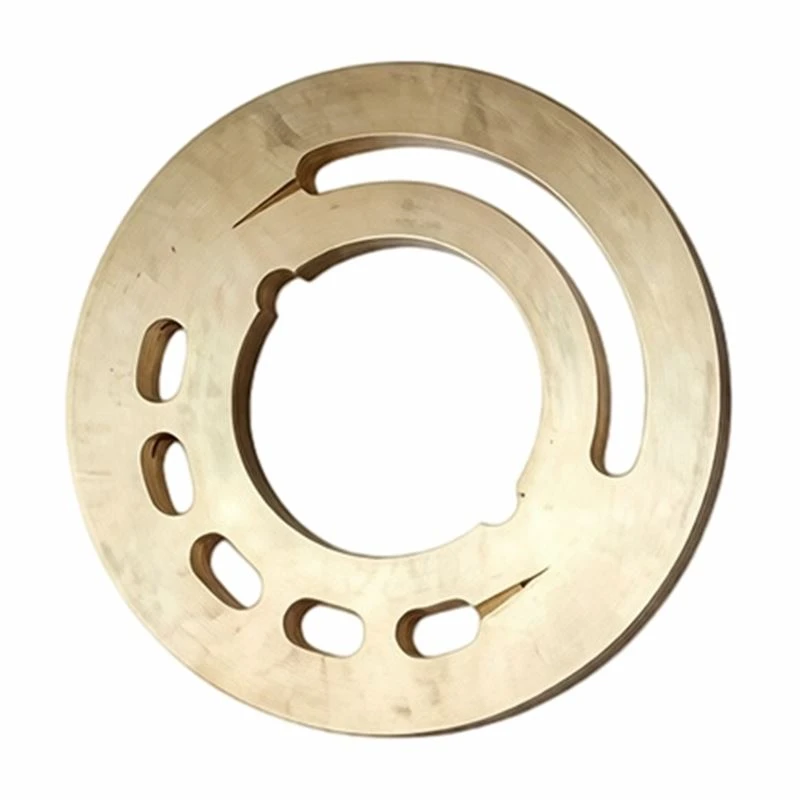
High pressure can put a lot of stress on the port plate. The ports may start to deform under the pressure, changing the flow characteristics of the hydraulic fluid. This can lead to cavitation. Cavitation occurs when the pressure in the fluid drops so low that vapor bubbles form. When these bubbles collapse, they create shockwaves that can erode the surface of the port plate.
High temperatures are also a problem. They can cause the materials in the port plate to expand. If the expansion isn't uniform across the plate, it can lead to warping. A warped port plate won't seal properly, which results in fluid leakage and reduced motor efficiency.
5. Fluid - related Problems
The hydraulic fluid is the lifeblood of any hydraulic system, and problems with it can quickly lead to port plate failure.
One issue is using the wrong type of hydraulic fluid. Different hydraulic motors require different types of fluids based on factors like temperature range, viscosity, and compatibility with the materials in the system. If the wrong fluid is used, it may not provide adequate lubrication. Without proper lubrication, the friction between the port plate and other components increases, leading to wear.
Another fluid - related problem is fluid degradation. Over time, the hydraulic fluid can break down due to factors like heat, oxidation, and contamination. As the fluid degrades, its properties change. It may become thicker or thinner, and its ability to protect the components in the system decreases. This degradation can cause deposits to form on the port plate and increase the wear rate.
If you're in the market for a reliable port plate for your vane motor, check out our Bimetallic Vane Motor Distributor Plate and Bimetallic Vane Motor Wear Plate.
How to Avoid Port Plate Failures
To avoid these failures, here are some tips. First, work with a reliable supplier like us. We use high - quality materials and strict manufacturing processes to ensure our port plates are up to the mark. Second, keep your hydraulic system clean. Regularly change the filters and follow proper maintenance procedures. Third, make sure to install the port plate correctly. If you're not sure how, don't hesitate to ask for help. And finally, operate the hydraulic motor within its design limits to avoid overloading.
Reaching Out for Quality Bimetal Hydraulic Motor Port Plates
If you're experiencing problems with your current port plates or are in the market for new ones, we're here to help. We've got a wide range of bimetal hydraulic motor port plates that are designed to last. Whether you need a replacement for an existing system or are building a new one, we can provide you with the right solution.
Contact us to start a conversation about your specific needs. We're ready to work with you to ensure you get the best port plates for your hydraulic motors.
References
- "Hydraulic System Design and Maintenance Handbook"
- "Materials Science for Hydraulic Components"
- Industry research reports on hydraulic motor failures