

Hey there! As a supplier of bimetal valve plates, I often get asked if these nifty components can be used in offshore oil and gas platforms. Well, let's dive right into it and find out!
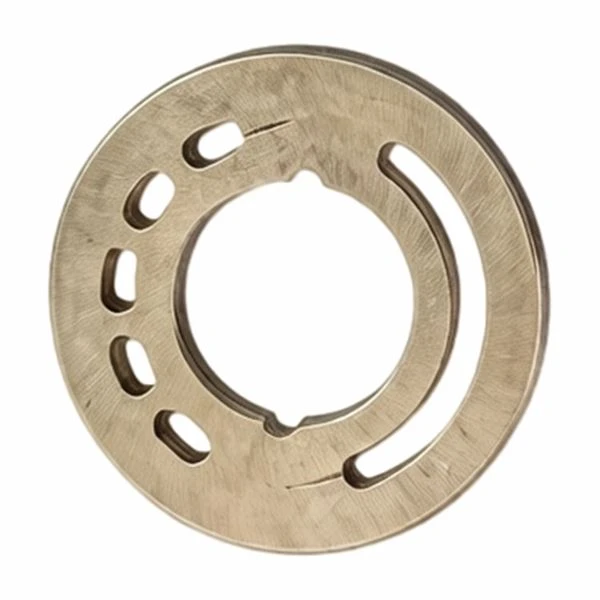
First off, let's talk a bit about what bimetal valve plates are. They're basically valve plates made from two different metals, which are combined to take advantage of the unique properties of each metal. This combination can result in a valve plate that's stronger, more wear - resistant, and better able to handle extreme conditions compared to a single - metal valve plate.
Now, offshore oil and gas platforms are a whole different ballgame. These platforms operate in some of the harshest environments on the planet. You've got saltwater corrosion, high pressures, extreme temperatures, and constant vibrations. So, can bimetal valve plates cut it in this tough environment?
Corrosion Resistance
One of the biggest challenges on offshore platforms is corrosion due to the saltwater. Saltwater is extremely corrosive, and it can eat away at regular metal components pretty quickly. Bimetal valve plates can be designed with a corrosion - resistant outer layer. For example, a layer of stainless steel or a special alloy can be used on the outside to protect the inner metal. This helps to significantly extend the lifespan of the valve plate, reducing the need for frequent replacements.
Let's say you're using a Bimetallic Vane Motor Wear Plate on an offshore platform. The bimetallic design can be engineered to have a corrosion - resistant surface that stands up to the salty sea air and water. This means that the wear plate will keep doing its job for longer, reducing downtime and maintenance costs.

High - Pressure Handling
Offshore oil and gas operations involve high - pressure systems. Whether it's pumping oil or gas, or controlling the flow in pipelines, the valve plates need to be able to handle these high pressures without breaking or deforming. Bimetal valve plates can be designed to have high strength and stiffness. By combining a high - strength metal like steel with a metal that has good ductility, the valve plate can withstand the high pressures without cracking.
For instance, a Bimetal Hydraulic Motor Port Plate in a hydraulic system on an offshore platform needs to handle the pressure of the hydraulic fluid. The bimetal design ensures that the port plate maintains its shape and integrity, allowing for smooth and efficient operation of the hydraulic motor.
Temperature Resistance
Extreme temperatures are another factor on offshore platforms. Depending on the location and the time of year, the temperature can vary widely. Bimetal valve plates can be engineered to have good temperature resistance. Different metals have different thermal expansion coefficients, and by carefully selecting the metals for the bimetal design, the valve plate can expand and contract in a controlled way with temperature changes.
Take a Vane Pump Valve Plate as an example. If the vane pump is operating in a high - temperature environment, the bimetal valve plate will not warp or lose its shape, ensuring that the pump continues to work effectively.
Vibration Resistance
Offshore platforms are constantly vibrating due to the operation of machinery, waves, and wind. This vibration can cause regular valve plates to wear out quickly or even break. Bimetal valve plates, with their unique combination of metals, can offer better vibration resistance. The different metals work together to dampen the vibrations and reduce the stress on the valve plate.
A Copper Steel Piston Motor End Plate in a piston motor on an offshore platform needs to be able to handle the vibrations. The bimetal construction helps to prevent premature wear and failure due to these vibrations.
Cost - Effectiveness
When it comes to offshore operations, cost is always a major consideration. While bimetal valve plates may have a higher upfront cost compared to some single - metal valve plates, they offer long - term cost savings. Since they have a longer lifespan, require less frequent replacements, and can reduce maintenance costs, the overall cost of using bimetal valve plates can be lower in the long run.
A Valve Plate Hydraulic Pump with a bimetal valve plate may cost a bit more initially, but over time, the reduced downtime and maintenance expenses make it a more cost - effective choice.
Customization
Another great thing about bimetal valve plates is the ability to customize them for specific applications on offshore platforms. Different operations may have different requirements in terms of pressure, temperature, and corrosion resistance. As a supplier, we can work with oil and gas companies to design and manufacture bimetal valve plates that meet their exact needs. Whether it's a special alloy combination, a specific shape, or a unique coating, we can create valve plates that are tailored to the harsh offshore environment.
In conclusion, bimetal valve plates are definitely a viable option for offshore oil and gas platforms. Their corrosion resistance, high - pressure handling capabilities, temperature resistance, vibration resistance, cost - effectiveness, and customization options make them well - suited for the challenging conditions on these platforms.
If you're in the offshore oil and gas industry and are looking for reliable bimetal valve plates, feel free to reach out to discuss your procurement needs. We'd love to have a chat and see how we can help you with your valve plate requirements.
References
- Some general engineering textbooks on materials science, which cover the properties and applications of bimetals.
- Industry reports on the challenges and solutions in offshore oil and gas platform operations.
- Research papers on the performance of bimetal components in harsh environments.