

Hey there! As a supplier of Bi Metal Bushings, I often get asked tons of questions about where these nifty little things can be used. One question that pops up quite a bit is, "Can Bi Metal Bushings be used in a vacuum environment?" Well, let's dig into this topic and see what we can find out.
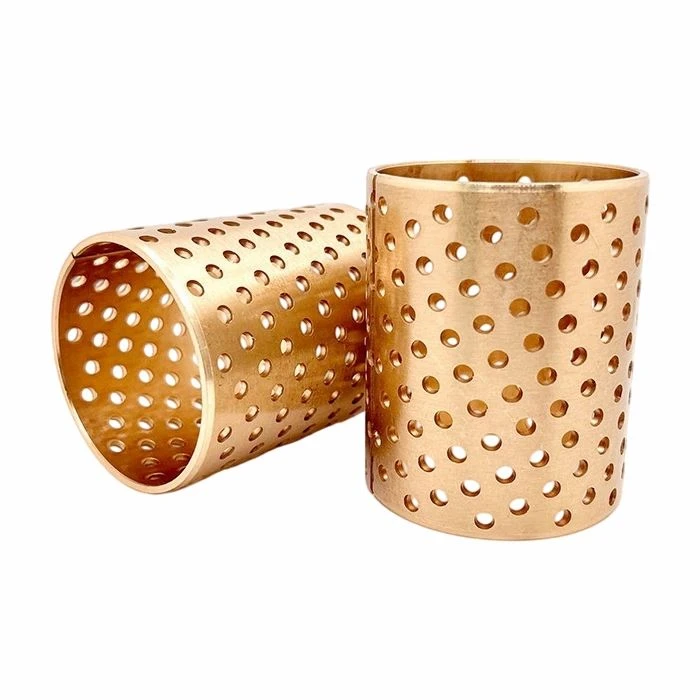
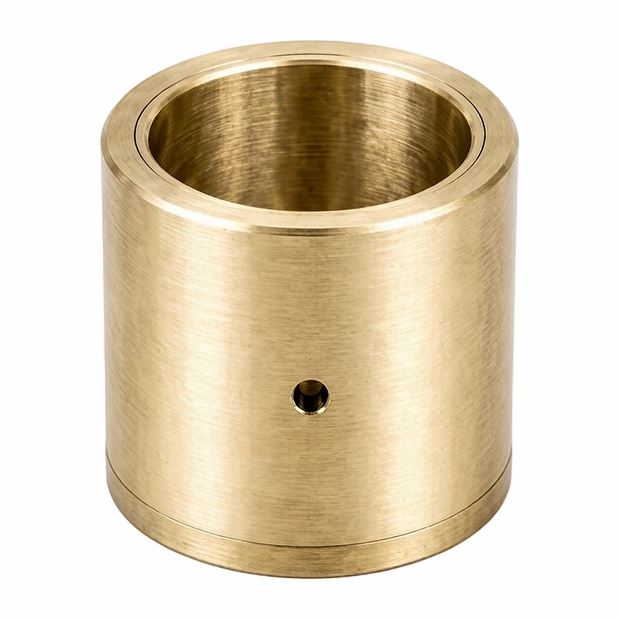
First off, let's understand what Bi Metal Bushings are. These bushings are made up of two different metals bonded together. The combination is usually chosen to take advantage of the unique properties of each metal. For example, one metal might provide strength and durability, while the other offers excellent lubrication or corrosion resistance. This makes Bi Metal Bushings super versatile and suitable for a wide range of applications.
Now, when it comes to using them in a vacuum environment, there are a few key factors we need to consider. One of the biggest concerns in a vacuum is outgassing. Outgassing is when materials release gases or vapors when exposed to a low - pressure environment. This can be a real problem because the gases can condense on nearby surfaces, causing contamination. It can also mess with the performance of other components in the system.
Bi Metal Bushings typically use a bonding agent or lubricant between the two metal layers. Some of these substances might be prone to outgassing. For instance, traditional lubricants with volatile organic compounds (VOCs) will definitely outgas in a vacuum. However, there are special low - outgassing lubricants and bonding agents available these days. If we use these in the manufacturing of Bi Metal Bushings, we can significantly reduce the outgassing problem.
Another important aspect is the thermal properties of Bi Metal Bushings in a vacuum. In a vacuum, there is no air to conduct heat away. So, any heat generated by friction between the bushing and the shaft needs to be dissipated through other means, like radiation. Different metals have different thermal conductivities. We need to make sure that the combination of metals in the Bi Metal Bushing can handle the heat effectively. If the heat builds up too much, it can cause the bushing to expand unevenly, leading to wear and possible failure of the system.
Let's talk about mechanical performance. In a vacuum, there is no air pressure pushing against the surfaces. This can affect the way the bushing operates. For example, the load - carrying capacity of the bushing might change. The reduced air pressure can also make the contact between the bushing and the shaft different. But if the Bi Metal Bushing is designed and manufactured correctly, it can still perform well. The right choice of metals and the proper bonding process can ensure that the bushing maintains its mechanical integrity in a vacuum.
Now, let's take a look at some of our products. We have the Rulon Bushing. Rulon is a high - performance polymer that can be combined with a metal backing to create a great Bi Metal Bushing. It has low friction and excellent wear resistance. And with the right treatment, it can be used in a vacuum environment with minimal outgassing.
Our Bimetallic Vane Pump Sleeve Bearing is another great option. It's designed for vane pumps, but it can also work well in a vacuum. The combination of metals in this bearing is carefully chosen to provide good strength and lubrication, even in a low - pressure environment.
The Copper Steel Piston Motor Sleeve Bearing is also worth mentioning. Copper has good thermal conductivity, which can help with heat dissipation in a vacuum. And steel provides the necessary strength. This combination makes it a suitable candidate for use in a vacuum.
If you're looking for a bushing for an Ng motor, our Bushing Ng Motor is a great choice. It's engineered to meet the specific requirements of Ng motors and can be adapted for use in a vacuum with proper modifications.
Of course, our Bimetal Bushing is the general option that can be customized for different applications, including those in a vacuum. We can work with you to select the right metals and treatments to ensure that the bushing meets your needs.
So, in conclusion, Bi Metal Bushings can be used in a vacuum environment, but it's not as simple as just using them off - the - shelf. We need to pay attention to outgassing, thermal properties, and mechanical performance. With the right design, materials, and manufacturing processes, these bushings can provide reliable performance in a vacuum.
If you're thinking about using Bi Metal Bushings in a vacuum application, don't hesitate to reach out. We're here to help you find the perfect solution for your needs. Whether you have a specific design in mind or just some general ideas, we can work with you to make it happen. Let's start a discussion and see how we can meet your requirements.
References
- "Materials Science for Engineers" by Donald Askeland
- "Vacuum Technology Handbook" by John F. O'Hanlon