

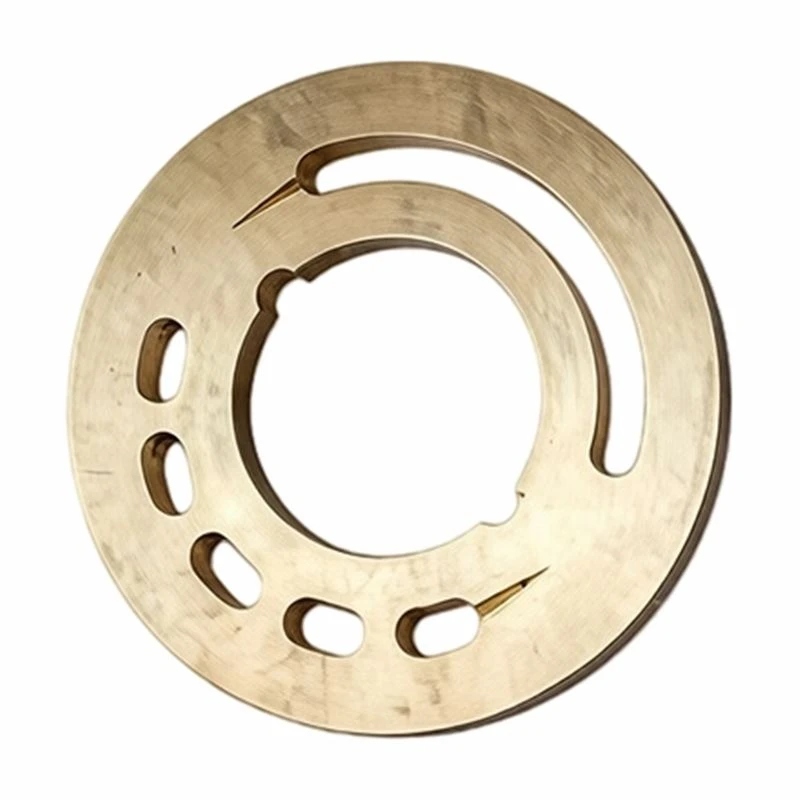
A hydraulic pump is a crucial component in many industrial and mobile hydraulic systems, responsible for converting mechanical power into hydraulic energy. The valve plate, a key part of the hydraulic pump, plays a vital role in controlling the flow of hydraulic fluid within the pump. Over time, due to continuous operation, high - pressure conditions, and exposure to contaminants, the valve plate can wear out. As a valve plate hydraulic pump supplier, I'm here to share the signs of a worn - out valve plate in a hydraulic pump.
1. Decreased Pump Efficiency
One of the most noticeable signs is a decline in the overall efficiency of the hydraulic pump. When the valve plate is worn, the internal leakage of the pump increases. The valve plate is designed to seal the chambers within the pump, ensuring that the hydraulic fluid is pumped at the correct pressure and volume. Worn valve plates may have grooves, scratches, or uneven surfaces, which allow fluid to leak past the intended flow paths. This means that the pump has to work harder to achieve the same output, resulting in higher energy consumption. For example, if a hydraulic pump was previously operating at an efficiency of 90% and after the valve plate starts to wear, the efficiency drops to 80%, it will consume more power to deliver the same amount of hydraulic fluid to the system.
2. Reduced Flow Rate
The flow rate of hydraulic fluid is another important parameter affected by a worn valve plate. The proper functioning of the valve plate is essential for the accurate metering and delivery of fluid. When the valve plate is worn, it can disrupt the smooth flow of fluid through the pump. As a result, the amount of fluid delivered to the hydraulic system per unit of time decreases. This can lead to slow operation of hydraulic cylinders or motors, causing a significant reduction in the productivity of the machinery. For instance, in a hydraulic press, if the flow rate is reduced due to a worn valve plate, the pressing speed will slow down, increasing the cycle time of the production process.
3. Pressure Fluctuations
A worn valve plate can cause significant pressure fluctuations in the hydraulic system. The valve plate is responsible for regulating the pressure of the hydraulic fluid as it moves through the pump. When the valve plate is damaged, it may not be able to maintain a consistent pressure. You may notice sudden spikes or drops in pressure during the operation of the hydraulic system. These pressure fluctuations can be dangerous, as they may cause abnormal stress on other components of the system, such as hoses, fittings, and cylinders. For example, a sharp pressure spike can cause a hose to burst, leading to fluid leakage and potential safety hazards.
4. Unusual Noise and Vibration
As the valve plate wears, it can cause the hydraulic pump to produce unusual noise and vibration. The worn surface of the valve plate can lead to uneven movement of the pump's internal components, such as the pistons or vanes. This uneven movement creates vibrations that are transmitted through the pump and the entire hydraulic system. The noise can range from a low - pitched rumbling to a high - pitched screeching sound. These noises and vibrations are not only annoying but also indicate that there is a problem with the pump. If left unaddressed, they can lead to further damage to the pump and other associated components.
5. Overheating of the Hydraulic System
A worn valve plate can contribute to the overheating of the hydraulic system. The increased internal leakage due to the worn valve plate means that more energy is being dissipated as heat. The pump has to work harder to compensate for the lost pressure and flow, generating additional heat in the process. Additionally, the disrupted flow of hydraulic fluid can reduce the effectiveness of the cooling mechanism in the system. Overheating can cause the hydraulic fluid to break down more quickly, reducing its lubricating properties and leading to accelerated wear of other components in the system.
6. Contamination in the Hydraulic Fluid
When the valve plate is worn, small particles of metal or other materials from the valve plate can break off and enter the hydraulic fluid. This contamination can cause further damage to the pump and other components in the system. The contaminated fluid can act as an abrasive, causing wear on the surfaces of other components, including the pistons, cylinders, and valves. Regular analysis of the hydraulic fluid can help detect the presence of contaminants, which may be a sign of a worn valve plate.
Solutions and Replacement
If you notice any of the above signs in your hydraulic pump, it is crucial to take action promptly. As a valve plate hydraulic pump supplier, we offer a wide range of high - quality valve plates to meet your needs. For example, our Vane Pump Valve Plate is designed to provide excellent performance and durability. The Bimetallic Vane Motor Wear Plate is another great option for applications that require high - resistance to wear. Our Bimetallic Vane Pump Wear Plate is engineered to ensure smooth operation and long - term reliability. The Bimetal Abrasion Resistant Port Plate is specifically designed to withstand high levels of abrasion, while the Copper Steel Piston Motor End Plate offers superior performance in piston motor applications.
If you suspect that your valve plate is worn, our team of experts can help you diagnose the problem and recommend the most suitable replacement. We understand the importance of minimizing downtime in your operations, and we strive to provide you with fast and efficient service. Whether you need a standard valve plate or a custom - designed solution, we have the expertise and resources to meet your requirements.
If you are experiencing any issues with your hydraulic pump or are interested in purchasing high - quality valve plates, please don't hesitate to contact us. Our sales team is ready to assist you in your procurement process and answer any questions you may have. We can guide you through the selection process to ensure that you get the right valve plate for your specific application.

References
- "Hydraulic Systems: Principles, Maintenance, and Troubleshooting" by William Palm III.
- "Fluid Power Technology" by Anthony Esposito.
- Industry standards and technical literature from hydraulic pump manufacturers.