

How does the porosity affect the performance of sintered metal bushings?
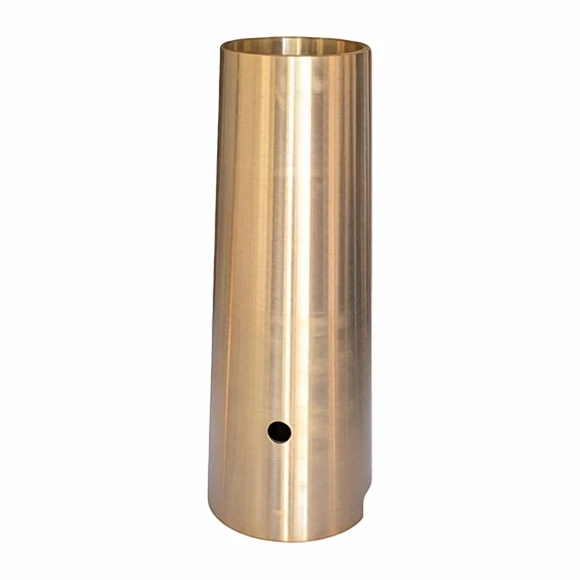
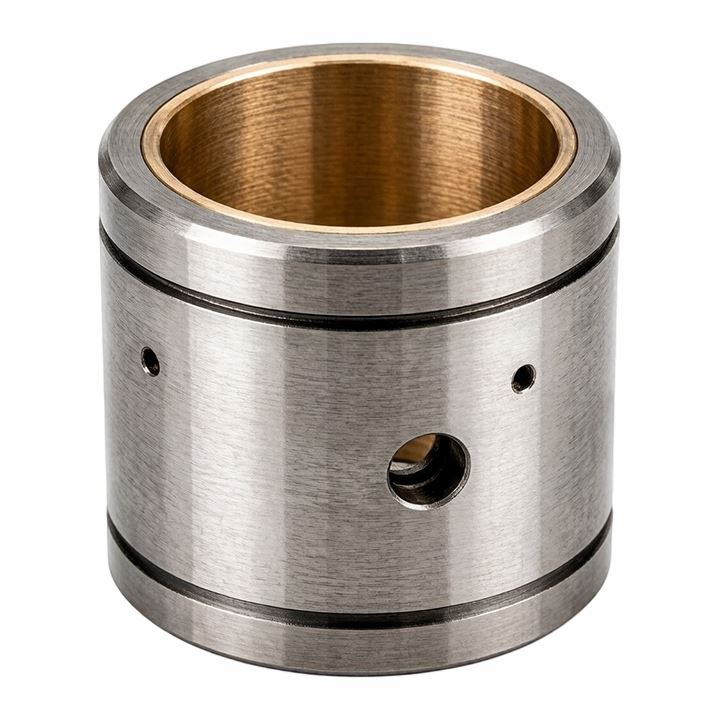
As a supplier of Sintered Metal Bushings, I've witnessed firsthand the critical role porosity plays in the performance of these essential components. Sintered metal bushings are widely used in various industries, from automotive to industrial machinery, due to their self - lubricating properties, wear resistance, and cost - effectiveness. In this blog post, we'll explore how porosity affects the performance of sintered metal bushings, and why it's so important to get it right.
Porosity Basics
Porosity in sintered metal bushings refers to the presence of small holes or voids within the metal matrix. These voids are intentionally created during the sintering process, where metal powder is compacted and then heated to a temperature below its melting point. The pores can vary in size, shape, and distribution, and these characteristics have a significant impact on the bushing's performance.
Self - Lubrication
One of the most significant advantages of sintered metal bushings is their self - lubrication ability, and porosity is the key to this benefit. The pores in the bushing act as reservoirs for lubricating oil. When the bushing is in operation, the heat generated by friction causes the oil in the pores to expand and seep out onto the bearing surface. This creates a thin lubricating film that reduces friction and wear between the bushing and the shaft.
As a supplier, we take great care in controlling the porosity to ensure an optimal amount of oil can be stored. If the porosity is too low, there won't be enough oil storage capacity, leading to insufficient lubrication and increased wear. On the other hand, if the porosity is too high, the structural integrity of the bushing may be compromised, and the oil may leak out too quickly.
Heat Dissipation
Porosity also plays a vital role in heat dissipation. The pores within the bushing provide channels for the heat to escape. As the lubricating oil circulates through the pores, it carries away the heat generated by friction. This helps to keep the operating temperature of the bushing within a safe range.
In applications where high - speed rotation or heavy loads are involved, efficient heat dissipation is crucial. If the porosity is not well - designed to facilitate heat transfer, the temperature of the bushing can rise rapidly, leading to thermal expansion, increased friction, and potentially premature failure. For example, in automotive engines, sintered metal bushings with appropriate porosity can withstand the high - speed and high - temperature environment, ensuring smooth operation.
Mechnical Strength
While porosity is beneficial for lubrication and heat dissipation, it can have a negative impact on the mechanical strength of sintered metal bushings. The presence of pores reduces the solid cross - sectional area of the bushing, which in turn reduces its load - carrying capacity and resistance to deformation.
As a supplier, we have to find a balance between the desired porosity for lubrication and heat management and the required mechanical strength. Advanced manufacturing techniques and material selection are employed to optimize this balance. We can use different metal powders and sintering processes to control the size and distribution of pores, ensuring that the bushing can withstand the expected loads without sacrificing its self - lubricating properties.
Impact on Wear Resistance
The wear resistance of sintered metal bushings is closely related to their porosity. A well - designed porosity helps to maintain a continuous lubricating film on the surface, which reduces direct contact between the bushing and the shaft. This, in turn, minimizes abrasive wear.
In applications where the bushing is exposed to contaminants, such as dust or dirt, the porosity can also act as a trap for these particles. The contaminants can be absorbed into the pores, preventing them from scoring the bearing surface. However, if the porosity is too high, the contaminants may fill the pores quickly, reducing the oil - storage capacity and potentially leading to increased wear.
Influence on Noise and Vibration
Porosity can also affect the noise and vibration levels during the operation of sintered metal bushings. A good lubricating film maintained by proper porosity can dampen vibrations and reduce noise. When the lubrication is insufficient due to improper porosity, the metal - to - metal contact between the bushing and the shaft can cause increased vibrations and loud noises.
In precision applications, such as in aerospace or high - end machinery, low noise and vibration levels are essential. As a supplier, we work closely with our customers to ensure that the sintered metal bushings we provide meet their strict requirements for noise and vibration control through precise porosity management.
Comparison with Other Bushing Types
It's worth comparing sintered metal bushings with other types of bushings, such as Bi Metal Bushings, Bimetal Bushing, Rulon Bushing, and Bimetallic Vane Pump Sleeve Bearing.
Bi - metal bushings consist of a metal backing and a bearing layer, and they are known for their high - load capacity and good corrosion resistance. However, they may require external lubrication systems. Sintered metal bushings, with their self - lubricating porosity, can offer a lower - maintenance alternative in many applications.
Rulon bushings are made from high - performance polymers and are known for their low friction and chemical resistance. But they may have limitations in high - temperature or high - load applications. Sintered metal bushings can provide better performance in these harsh environments due to their metal matrix and the ability to manage heat through porosity.
Conclusion
Porosity is a critical factor that significantly affects the performance of sintered metal bushings. It influences self - lubrication, heat dissipation, mechanical strength, wear resistance, and noise and vibration levels. As a supplier of Sintered Metal Bushing, we understand the importance of controlling porosity to meet the diverse needs of our customers.
If you're in need of high - quality sintered metal bushings for your application, we're here to help. Our team of experts can work with you to determine the optimal porosity and other specifications to ensure the best performance of your equipment. Contact us today to start a discussion about your specific requirements and how our sintered metal bushings can meet them.
References
- German, R. M. (1994). Powder Metallurgy Science. Metal Powder Industries Federation.
- Kalpakjian, S., & Schmidt, S. R. (2003). Manufacturing Engineering and Technology. Prentice Hall.
- ASM Handbook Committee. (2008). ASM Handbook, Volume 7: Powder Metallurgy. ASM International.