

Do bimetal bushings require lubrication? That's a question I've been asked a bunch of times as a supplier of Bimetal Bushing. So, let's dig into this topic and figure out the deal with lubricating these nifty little parts.
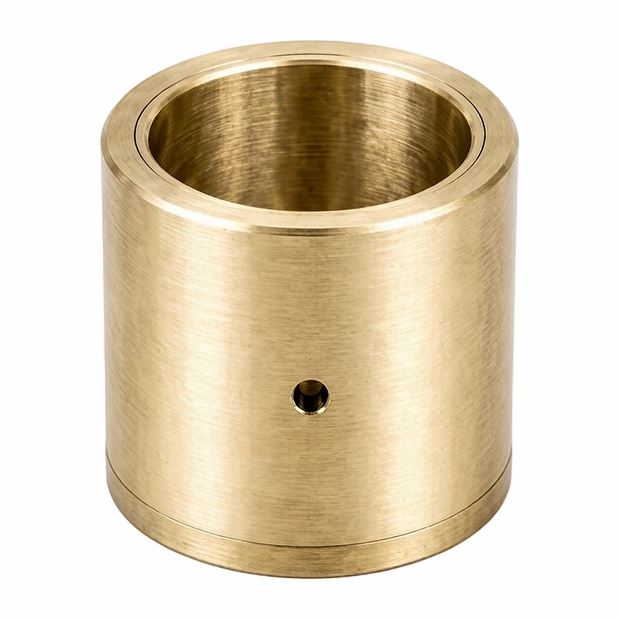
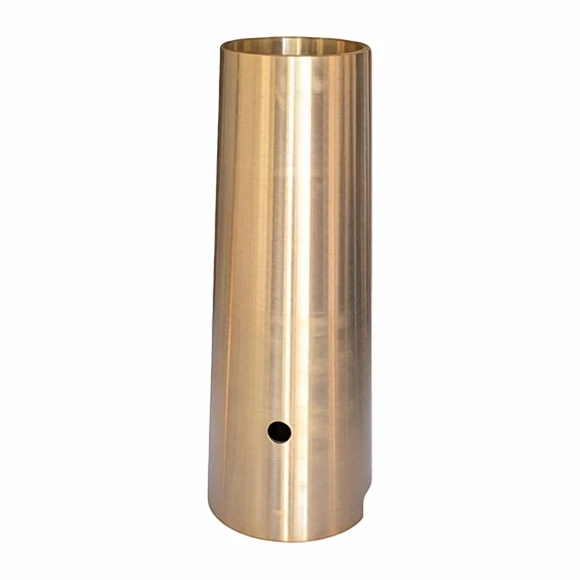
First off, let's understand what bimetal bushings are. Bimetal bushings are made up of two different metals, usually combined in a way that takes advantage of the best properties of each. You might have a steel backing for strength and a bronze layer for its anti - friction and wear - resistant qualities. They're used in a whole bunch of applications, from automotive engines to industrial machinery.
Factors Determining Lubrication Needs
Now, whether bimetal bushings need lubrication depends on several factors.
Operating Conditions
- Load and Speed: If the bushing is working under high loads and high speeds, it's likely going to need some form of lubrication. The friction generated in these conditions can cause a lot of heat, which might lead to wear and tear on the bushing. For example, in a high - performance engine, the bimetal bushings in the connecting rods are subjected to extremely high loads and speeds. Without proper lubrication, the heat generated from the friction could cause the bronze layer to melt or wear out quickly.
- Temperature: Extreme temperatures also play a role. In very high - temperature environments, the lubricant needs to be able to withstand the heat. Some bimetal bushings are used in industrial furnaces or in the exhaust systems of vehicles. In such cases, a high - temperature lubricant is essential. On the flip side, in cold environments, the lubricant shouldn't thicken or freeze, as that would prevent it from doing its job.
Application Type
- Automotive: In cars and trucks, bimetal bushings are used in various places like the suspension system and the engine. In the engine, the crankshaft and camshaft bushings are constantly in motion, and they rely on engine oil for lubrication. The oil not only reduces friction but also helps to cool the bushing. In the suspension, the bushings might be lubricated with grease, which provides long - lasting lubrication and can also help to keep contaminants out.
- Industrial Machinery: Industrial equipment such as conveyor systems, pumps, and compressors use bimetal bushings. For instance, in a Bimetallic Vane Pump Sleeve Bearing, the bushing is in contact with a rotating vane. Depending on the type of fluid being pumped and the operating conditions, lubrication might be required. If the fluid being pumped has some lubricating properties, it might serve as the lubricant for the bushing. But in some cases, additional lubrication might be needed to ensure smooth operation.
Types of Lubrication for Bimetal Bushings
There are different types of lubrication methods that can be used for bimetal bushings.
Oil Lubrication
- Oil is a common choice for lubricating bimetal bushings. It can be applied in different ways. One way is through a splash lubrication system, which is often used in small engines. The rotating parts in the engine splash the oil around, and it coats the bushings. Another method is pressure lubrication, where oil is pumped under pressure to the bushings. This is more common in larger engines and industrial machinery. Oil has the advantage of being able to carry away heat and contaminants, which helps to extend the life of the bushing.
Grease Lubrication
- Grease is a semi - solid lubricant that is often used in applications where the bushing doesn't need continuous lubrication or where it's difficult to apply oil. Grease contains a thickening agent that holds the lubricating oil in place. It can be packed into the bushing during installation, and it provides a long - lasting lubricating film. For example, in a Steel Bronze Gear Motor Shaft Sleeve, grease lubrication can be used to reduce friction between the shaft and the bushing and to prevent the ingress of dirt and moisture.
Self - Lubricating Bimetal Bushings
- Some bimetal bushings are designed to be self - lubricating. These bushings have a built - in lubricant, such as graphite or PTFE. The lubricant is embedded in the bronze layer, and as the bushing wears, the lubricant is released, providing continuous lubrication. Rulon Bushing is an example of a type of self - lubricating bushing. Self - lubricating bushings are great for applications where it's difficult to access the bushing for lubrication or where a clean environment is required, like in food processing machinery.
Benefits of Lubrication
Lubricating bimetal bushings offers several benefits.
- Reduced Friction and Wear: The main benefit of lubrication is to reduce friction between the bushing and the shaft. When there's less friction, there's less wear on the bushing and the shaft, which means a longer lifespan for both components. This can save a lot of money in the long run, as you don't have to replace the parts as often.
- Heat Dissipation: Lubricants can help to carry away the heat generated by friction. This is especially important in high - load and high - speed applications. If the heat isn't dissipated, it can cause the bushing to expand, which can lead to a loss of clearance and increased wear.
- Contamination Prevention: A good lubricant can act as a barrier against contaminants such as dirt, dust, and moisture. These contaminants can cause abrasion and corrosion on the bushing, which can significantly reduce its lifespan. By keeping the contaminants out, the lubricant helps to protect the bushing.
When Lubrication Might Not Be Necessary
There are some situations where bimetal bushings might not need lubrication.
- Low - Load and Low - Speed Applications: In applications where the load and speed are very low, the friction generated is minimal. For example, in some light - duty household appliances, the bimetal bushings might be able to operate without additional lubrication. The natural properties of the metals in the bushing are enough to prevent excessive wear.
- Self - Lubricating Bushing Design: As mentioned earlier, self - lubricating bimetal bushings are designed to operate without external lubrication. These bushings are a great option for applications where maintenance is difficult or where a lubricant might contaminate the product being processed.
Conclusion
So, do bimetal bushings require lubrication? The answer is, it depends. The operating conditions, application type, and the design of the bushing all play a role in determining whether lubrication is needed. As a supplier of Bi Metal Bushings, I understand the importance of getting the right lubrication for your specific needs.
If you're in the market for bimetal bushings or need advice on lubrication, don't hesitate to reach out. We can help you find the perfect solution for your application, whether it's a self - lubricating bushing or a bushing that requires regular lubrication.
References
- "Mechanical Design Handbook" by Joseph E. Shigley
- "Lubrication Fundamentals" by Bernard J. Hamrock