

When it comes to the critical components in hydraulic systems, valve plates play a pivotal role. They are responsible for controlling the flow of hydraulic fluid, ensuring smooth operation, and maintaining the efficiency of pumps and motors. Two popular types of valve plates in the market are bimetal valve plates and ceramic valve plates. As a bimetal valve plates supplier, I am often asked about how these two types compare. In this blog, I will delve into the characteristics, advantages, and limitations of both bimetal and ceramic valve plates to help you make an informed decision.
Material Composition and Structure
Bimetal valve plates are composed of two different metals bonded together. This combination allows the valve plate to take advantage of the unique properties of each metal. For example, one metal may provide high strength and durability, while the other offers excellent corrosion resistance or wear resistance. The bonding process is carefully controlled to ensure a strong and reliable connection between the two metals. This structure enables bimetal valve plates to withstand high pressures and harsh operating conditions.
On the other hand, ceramic valve plates are made from ceramic materials, which are known for their high hardness, wear resistance, and chemical stability. Ceramics are inorganic, non-metallic materials that are typically formed through a process of heating and cooling. The structure of ceramic valve plates is dense and uniform, which gives them excellent mechanical properties. However, ceramics are also brittle, which means they are more prone to cracking and breaking under certain conditions.
Performance in Different Environments
Wear Resistance
One of the most important factors to consider when choosing a valve plate is its wear resistance. In applications where there is a lot of friction and abrasion, such as in hydraulic pumps and motors, a valve plate with good wear resistance is essential.
Bimetal valve plates offer excellent wear resistance, especially when the appropriate metals are selected for the application. The combination of different metals can provide a hard surface layer that resists wear, while the underlying metal provides support and strength. For example, a bimetal valve plate may have a layer of high-speed steel on the surface, which is known for its excellent wear resistance, bonded to a base metal such as carbon steel.
Ceramic valve plates are also extremely wear-resistant due to the high hardness of ceramic materials. They can withstand abrasive particles and high-speed sliding without significant wear. However, the brittleness of ceramics can be a disadvantage in some applications. If a ceramic valve plate is subjected to sudden impacts or high-stress loads, it may crack or break, which can lead to premature failure of the hydraulic system.
Corrosion Resistance
In environments where there is a risk of corrosion, such as in marine or chemical applications, the corrosion resistance of the valve plate is crucial.
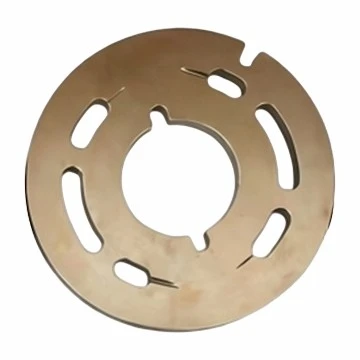
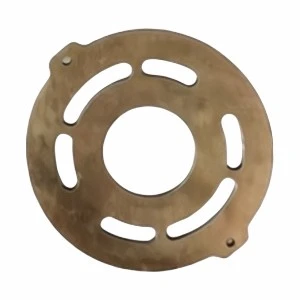
Bimetal valve plates can be designed to have good corrosion resistance by selecting appropriate metals. For example, stainless steel is often used in bimetal valve plates because of its excellent corrosion resistance. By combining stainless steel with another metal that provides other desirable properties, such as high strength, a bimetal valve plate can offer both corrosion resistance and high performance.
Ceramic valve plates are highly resistant to corrosion because ceramic materials are chemically stable. They do not react with most chemicals, making them suitable for use in harsh chemical environments. However, the bonding between the ceramic and other components in the hydraulic system can be a potential weak point in terms of corrosion resistance. If the bonding is not properly protected, it may be susceptible to corrosion, which can affect the performance of the valve plate.
Temperature Resistance
Temperature is another important factor that can affect the performance of valve plates. In high-temperature applications, such as in some industrial hydraulic systems, a valve plate that can withstand high temperatures without losing its properties is required.
Bimetal valve plates can be designed to have good temperature resistance by selecting metals with appropriate thermal properties. Some metals, such as nickel-based alloys, have high melting points and good thermal stability, which makes them suitable for high-temperature applications. However, the difference in thermal expansion coefficients between the two metals in a bimetal valve plate can cause some problems. If the temperature changes rapidly or significantly, the different expansion rates of the two metals may lead to stress and deformation in the valve plate.
Ceramic valve plates have excellent temperature resistance. Ceramic materials can withstand very high temperatures without melting or deforming. They also have low thermal conductivity, which means they can help to reduce heat transfer in the hydraulic system. However, the brittleness of ceramics can become more pronounced at high temperatures, increasing the risk of cracking and breaking.
Cost and Availability
Cost
The cost of valve plates is an important consideration for many customers. Bimetal valve plates are generally more cost-effective than ceramic valve plates. The materials used in bimetal valve plates are relatively common and less expensive than ceramic materials. In addition, the manufacturing process for bimetal valve plates is more established and less complex than that for ceramic valve plates, which also contributes to the lower cost.
Availability
Bimetal valve plates are more widely available in the market. There are many suppliers of bimetal valve plates, which means customers have more options to choose from. The production capacity of bimetal valve plates is also generally higher than that of ceramic valve plates, which makes it easier to meet the demand for large quantities.
Applications
Bimetal Valve Plates
Bimetal valve plates are suitable for a wide range of applications, including hydraulic pumps, hydraulic motors, and vane pumps. They are commonly used in industrial machinery, construction equipment, and automotive applications. For example, in a hydraulic pump, a bimetal valve plate can control the flow of hydraulic fluid, ensuring efficient operation. You can find more information about our specific bimetal valve plate products such as Bimetallic Vane Pump Wear Plate, Valve Plate Hydraulic Pump, Bimetal Hydraulic Motor Port Plate, Bimetallic Vane Motor Wear Plate, and Bimetal Abrasion Resistant Port Plate.
Ceramic Valve Plates
Ceramic valve plates are often used in applications where high wear resistance, high temperature resistance, and chemical stability are required. They are commonly used in high-performance hydraulic systems, aerospace applications, and some specialized industrial processes. However, due to their brittleness and high cost, their use is more limited compared to bimetal valve plates.
Conclusion
In conclusion, both bimetal valve plates and ceramic valve plates have their own advantages and limitations. Bimetal valve plates offer a good balance of performance, cost, and availability. They are suitable for a wide range of applications and can provide reliable service in most operating conditions. Ceramic valve plates, on the other hand, offer excellent wear resistance, temperature resistance, and chemical stability, but they are more brittle and expensive.
When choosing between bimetal and ceramic valve plates, it is important to consider the specific requirements of your application, such as the operating environment, the level of wear and corrosion, and the budget. If you are looking for a cost-effective and reliable solution for your hydraulic system, bimetal valve plates may be the right choice for you.
If you are interested in our bimetal valve plates or have any questions about their application, please feel free to contact us for a detailed discussion. We are committed to providing high-quality products and professional services to meet your needs.
References
- Smith, J. (2018). Hydraulic System Components: A Comprehensive Guide. Mechanical Engineering Press.
- Johnson, R. (2019). The Properties and Applications of Bimetal Materials. Materials Science Journal.
- Brown, A. (2020). Ceramic Materials in High-Performance Engineering. Advanced Engineering Materials Review.